eBike Torque Explained: What Really Matters
Torque is one of the most commonly cited metrics in eBike design, yet it is rarely understood in context. It is often reduced to a single number and used as a comparison point between systems, but on its own it says very little about how a bike will behave in real riding conditions.
In practice, eBike torque only makes sense when it is considered alongside how the system reacts, how it responds to rider input and how consistently it delivers support across different situations. This is why different torque levels exist across categories, from lightweight urban systems to full-power applications, each designed around a specific type of riding.
Support where it matters
What riders actually feel is not torque as a number, but the way the bike responds when force is applied to the pedals.
From the first pedal stroke, assistance needs to be immediate and predictable. This determines how the bike accelerates from a standstill, how it behaves in traffic and how naturally it reacts when effort increases.
In real terms, torque defines whether the support feels controlled or disconnected from the rider. That is why two systems with similar electric bike torque values can feel completely different on the road, depending on how that torque is managed and delivered within the system.
More than just output
Torque and eBike power operate together, but they influence different aspects of the ride.
Power defines the overall capability of the system, while torque defines how that capability is accessed, especially at low speed or under load. What matters is not the peak figure, but how efficiently both are translated into forward motion.
In practice, riders are not evaluating maximum output, they are experiencing how the bike responds to effort changes moment by moment. This is where system design and integration become key to making torque usable in real conditions.
Real demands, not theoretical ones
The amount of support required in everyday riding is often lower than expected.
- Urban use: lower torque levels are usually sufficient to deliver a smooth and efficient riding experience. Around 40 Nm already provides enough support for daily riding, and in many cases is enough for an eBike used in city environments where gradients are limited.
This is the range where lightweight systems such as MAHLE’s X30, delivering 45 Nm, are typically positioned, prioritising efficiency, natural pedalling feel and versatility across urban and mixed use scenarios.
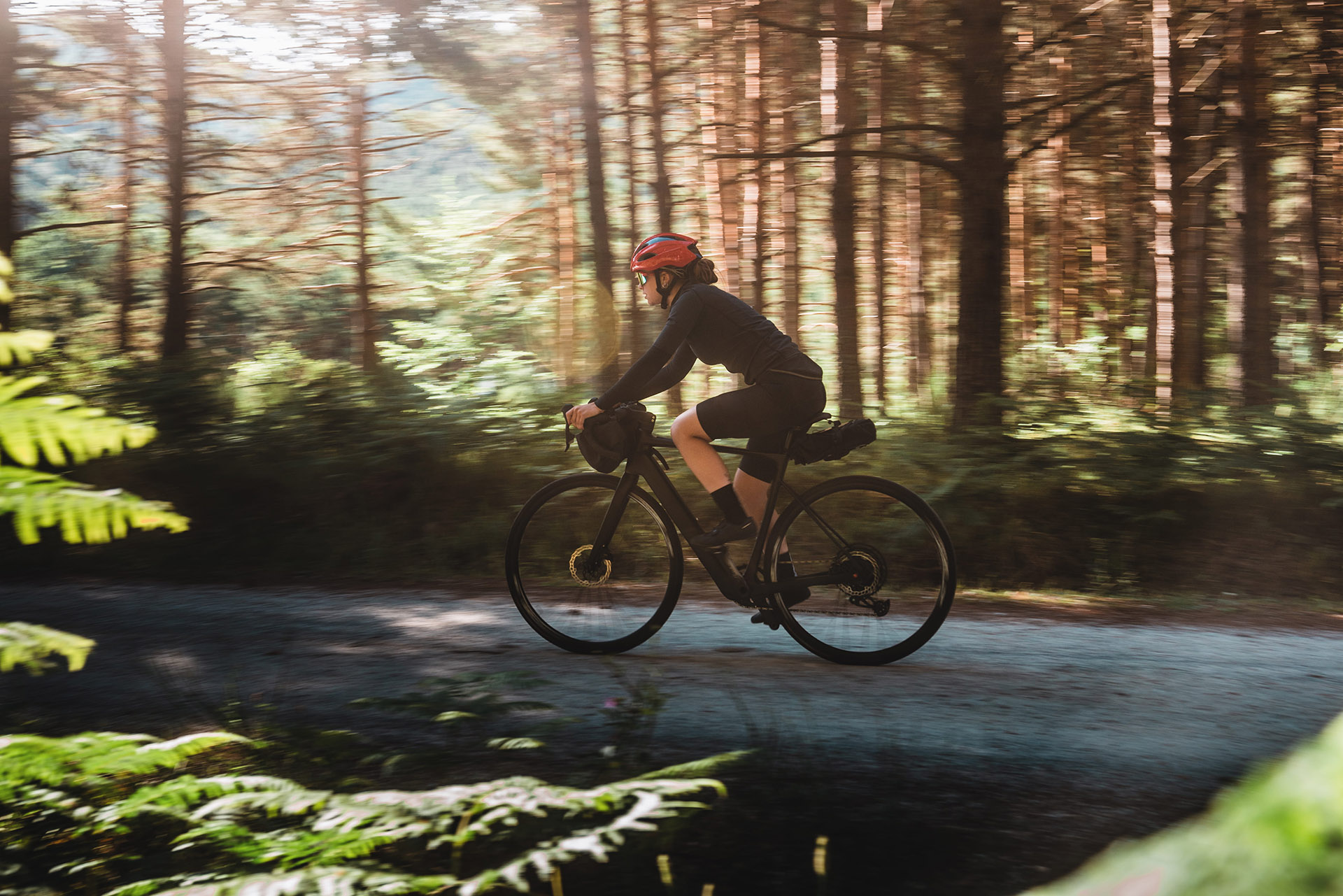
As conditions become more varied: longer rides, mixed terrain or repeated elevation changes, the system needs to react more consistently. This is where moderate increases in torque improve responsiveness without introducing unnecessary power, particularly in lightweight performance segments such as road and gravel.
- For more demanding routes, including sustained climbs or steeper gradients, higher torque helps maintain support under load. Systems such as the MAHLE X20, offering up to 65 Nm, are designed to provide this additional support while maintaining a lightweight, integrated feel closer to a traditional bike.
In these scenarios, how much torque you need on an eBike depends more on terrain and riding style than on maximum figures alone.

How the system reacts
Performance is defined by how assistance is delivered from one moment to the next.
Responsiveness, smoothness and consistency depend on how accurately the system reads rider input and how quickly it adapts. Systems that combine torque and cadence sensors continuously adjust support, allowing assistance to scale naturally with effort.
This is especially relevant when speed drops or gradients increase, where eBike motor torque plays a key role in maintaining momentum without abrupt changes in behaviour.
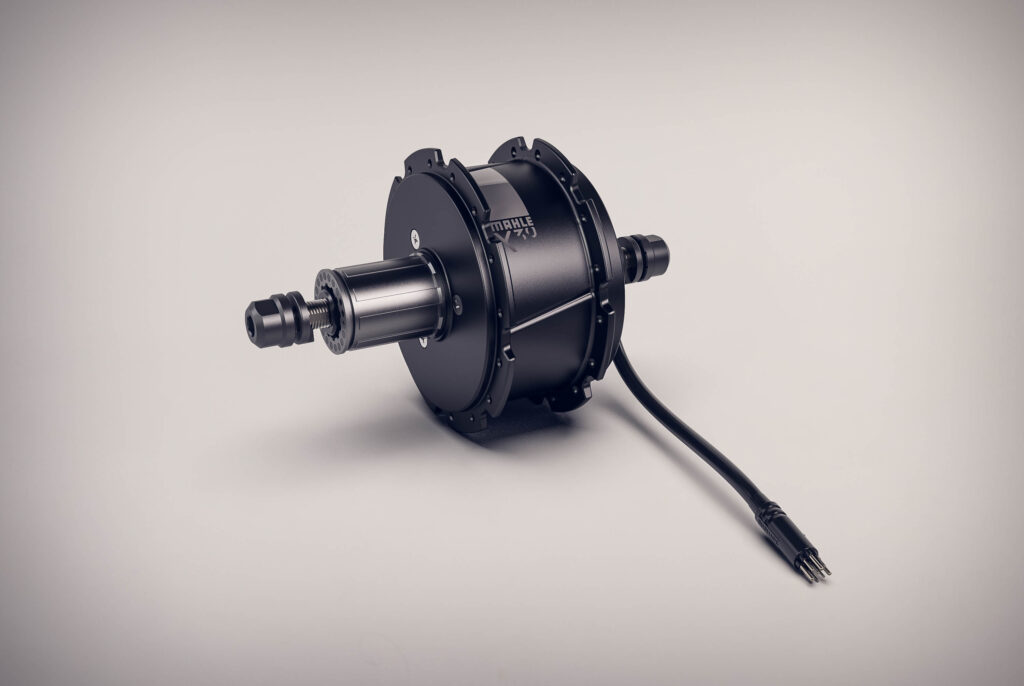
In hub based systems, power is applied directly at the wheel. This results in a more immediate and stable response when pedalling begins, without dependency on gear selection, an approach that defines lightweight, integrated eBike concepts.
Design choices and their impact
Different eBike motor types influence how torque is generated and perceived.
- Hub drive systems: apply power directly to the wheel, creating a smooth and predictable response with fewer mechanical variables involved. The result is consistent performance and reduced maintenance, making them particularly suited to road, urban and gravel applications.
- Mid-drive systems: transmit torque through the drivetrain. This can allow higher peak values, but also introduces dependence on cadence and gear choice, especially in off road and high power segments.
The difference is not only technical, it directly affects how natural, intuitive and efficient the assistance feels in real riding conditions.
Performance on climbs
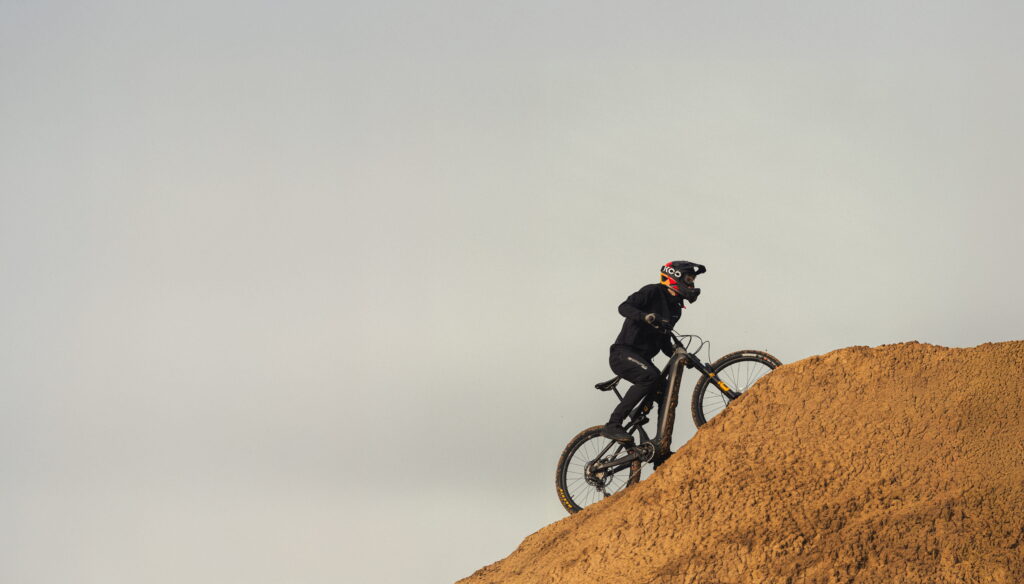
Climbing is one of the most common scenarios where torque becomes relevant, but it is not only about higher numbers.
When choosing an eBike for hills, torque plays an important role in maintaining assistance under load. However, climbing performance also depends on system weight, responsiveness and how efficiently power is delivered.
Higher torque allows the system to sustain support on steeper gradients. In full-power applications, this can go significantly further, as seen in systems like the MAHLE M40, which reaches up to 105 Nm and is designed for demanding off-road conditions where maximum support is required.
However, without precise control, higher torque does not necessarily translate into better efficiency. In practice, a balanced system often performs better than one that simply pushes torque higher.
This is why the best eBike for hills is not necessarily the one with the highest torque, but the one that delivers support in a controlled and predictable way.
Adapting to different riding styles
Different use cases require different approaches to torque.
- For commuting: lower torque improves efficiency and range while maintaining a natural pedalling feel. In this context, responsiveness matters more than peak output, which is why systems in the 40–45 Nm range, such as X30 based configurations are commonly used for urban applications.
- For gravel and mixed terrain: moderate torque allows the system to react effectively to changes in surface and gradient, keeping the ride controlled and dynamic without adding unnecessary weight.
- For longer rides and sustained elevation: higher torque reduces physical effort and helps maintain a consistent pace. This is where systems in the 60–65 Nm range provide a balance between support and efficiency in lightweight platforms.
Finding the right balance
Torque should be understood as part of a broader system rather than as a standalone specification.
Motor behaviour, sensor precision, weight and integration all influence how assistance is perceived. In lightweight eBike systems, the focus shifts from maximum output to usable performance.
Across different categories, this balance can be seen in how torque is positioned: from lightweight urban systems around 45 Nm, to more performance oriented setups at 65 Nm, and up to full-power solutions exceeding 100 Nm for demanding terrain. Each level responds to a specific use case, rather than representing a simple progression of “more is better”.
This diversity of approaches reflects how modern eBike systems are designed around real riding needs, ensuring that torque is applied efficiently rather than simply maximised.
For most riders, a well balanced system that delivers consistent, responsive support is more valuable than higher torque figures on paper.
FAQs
What is a good torque for an e-bike?
A range between 40 Nm and 65 Nm covers most scenarios, from commuting to mixed terrain and climbing.
How much torque do you need on an ebike?
It depends on the terrain and riding style, but moderate torque levels usually provide the best balance between performance and efficiency.
Is 40 Nm enough for an ebike?
Yes. For urban riding and flat terrain, 40 Nm is often enough to provide smooth and natural assistance.
Is 50 Nm torque enough for an e-bike?
Yes. It improves responsiveness and supports moderate gradients without adding unnecessary power.
Is 60 Nm torque good for an e-bike?
Yes. It offers consistent support across more demanding routes, including hills.
What is the torque for an electric bike motor?
Torque varies depending on system design, typically ranging from around 35 Nm to over 100 Nm in high-performance applications.