Giro-E 2026: MAHLE returns to a key reference event in competitive ebike racing
From May 9 to May 31, Giro‑E returns with its multi‑stage format dedicated exclusively to e‑bikes, placing riders and equipment in a demanding, long‑distance racing context across Italy. Over the years, the event has positioned itself as one of the few remaining competitive platforms focused entirely on electric bikes, where distance, elevation and consistency define performance.
At Giro‑E 2026, MAHLE SmartBike Systems will once again take part as technology partner, supporting Team Sara Assicurazioni, who will compete on Orbea Gain eBikes equipped with the MAHLE X20 System. Participation in Giro‑E places MAHLE’s lightweight system technology in a highly demanding environment, where reliability, efficiency and ride feel are tested over nearly three weeks of racing.
A multi‑stage e‑bike event across Italy
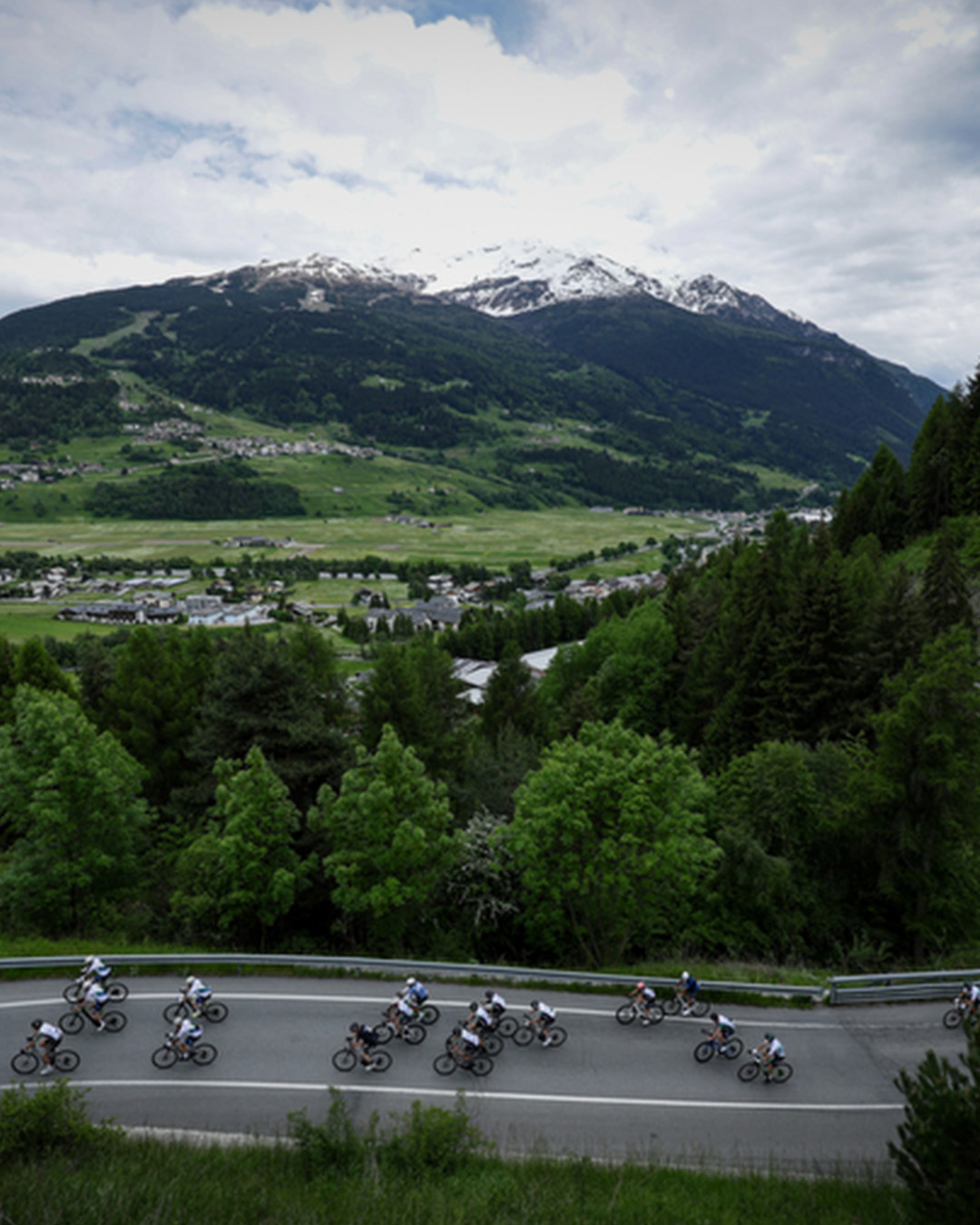
Giro‑E is built around a sequence of consecutive stages designed to reflect the realities of long‑distance riding rather than short, isolated efforts. Each stage presents its own challenges, combining sustained climbs, rolling sections and mixed terrain that require riders to manage effort and pacing over full riding days.
Rather than rewarding maximum speed, the format places emphasis on consistency over distance, teamwork and precision. This approach makes Giro‑E a distinctive event within the e‑bike landscape, defined by endurance, structure and the accumulation of effort over time.
How Giro‑E is structured
The event takes place over multiple stages, ridden as a team competition. All participating bikes are homologated e‑bikes, and each stage includes specific sectors where regularity, control and cooperation are key. This structure shifts the focus away from peak performance moments and towards sustained, repeatable riding over successive days.
By design, Giro‑E highlights the interaction between riders, equipment and route conditions, making it a relevant reference point for understanding how e‑bikes behave when used continuously in demanding environments
The Giro‑E 2026 route
The 2026 edition of Giro‑E will cover 1,091.6 kilometres across Italy, with an average stage length of 60.64 km and a total elevation gain of 20,450 metres. From south to north, the route combines flat sections, undulating roads and mountain stages, creating a progressive challenge defined by accumulated distance and elevation.
Instead of focusing on outright speed, the format is built around consistency over distance, teamwork and precision.
MAHLE X20 in action with Orbea and Team Sara Assicurazioni
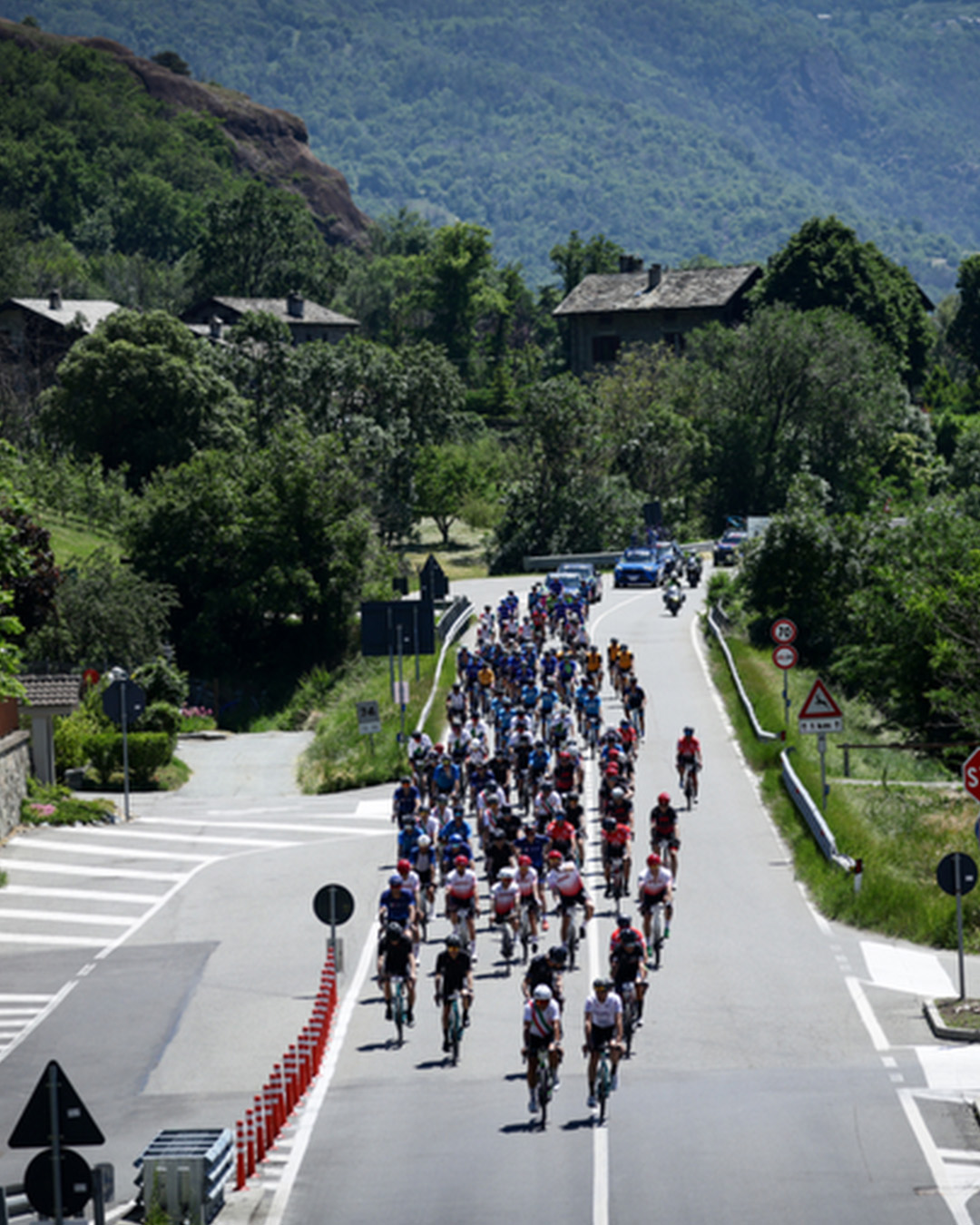
At Giro‑E 2026, Team Sara Assicurazioni will rely on Orbea Gain eBikes powered by the MAHLE X20 System. Designed for lightweight, performance‑oriented e‑bikes, X20 combines low system weight, seamless integration and smooth assistance delivery — characteristics that become particularly relevant across long stages and repeated climbs.
Throughout the event, the Orbea Gain platform paired with the X20 System supports riders in managing effort and maintaining a predictable ride feel across varied terrain. Giro‑E provides a demanding real‑world setting where MAHLE’s technology is not only present, but actively put to work under sustained conditions.
Why Giro‑E matters for riders and the e‑bike industry
Giro‑E reflects many of the challenges experienced by e‑bike riders beyond competition. Long climbs, extended riding days and limited recovery between stages are familiar conditions for those tackling mountainous routes or multi‑day trips.
By focusing on endurance, structure and consistency, Giro‑E offers valuable insights into how e‑bike systems respond as the demands of the route increase. For the e‑bike industry, it remains one of the few events where technology is showcased through use, rather than demonstration.
Riders, equipment and endurance over distance
At the core of Giro‑E are the riders. Each stage requires managing effort, maintaining focus and adapting to changing conditions over long riding days. Consecutive stages add another level of complexity, where experience, pacing and teamwork play a decisive role.
In this context, equipment acts as a critical support factor. Lightweight design, seamless integration and predictable assistance allow riders to concentrate on rhythm, control and decision‑making. Over the course of the event, consistency and reliability help ensure that riders can approach each stage with confidence, regardless of distance or elevation profile.