M40 System Testing at Messingschlager
MAHLE SmartBike Systems visited the Messingschlager headquarters in Germany for a collaborative testing session focused on the real‑world performance of the M40 System. Industry partners, specialised media and the Messingschlager team rode production eBikes equipped with the system, assessing behaviour, integration quality and control dynamics across varied terrain.
Assessing the Current M40 Capabilities
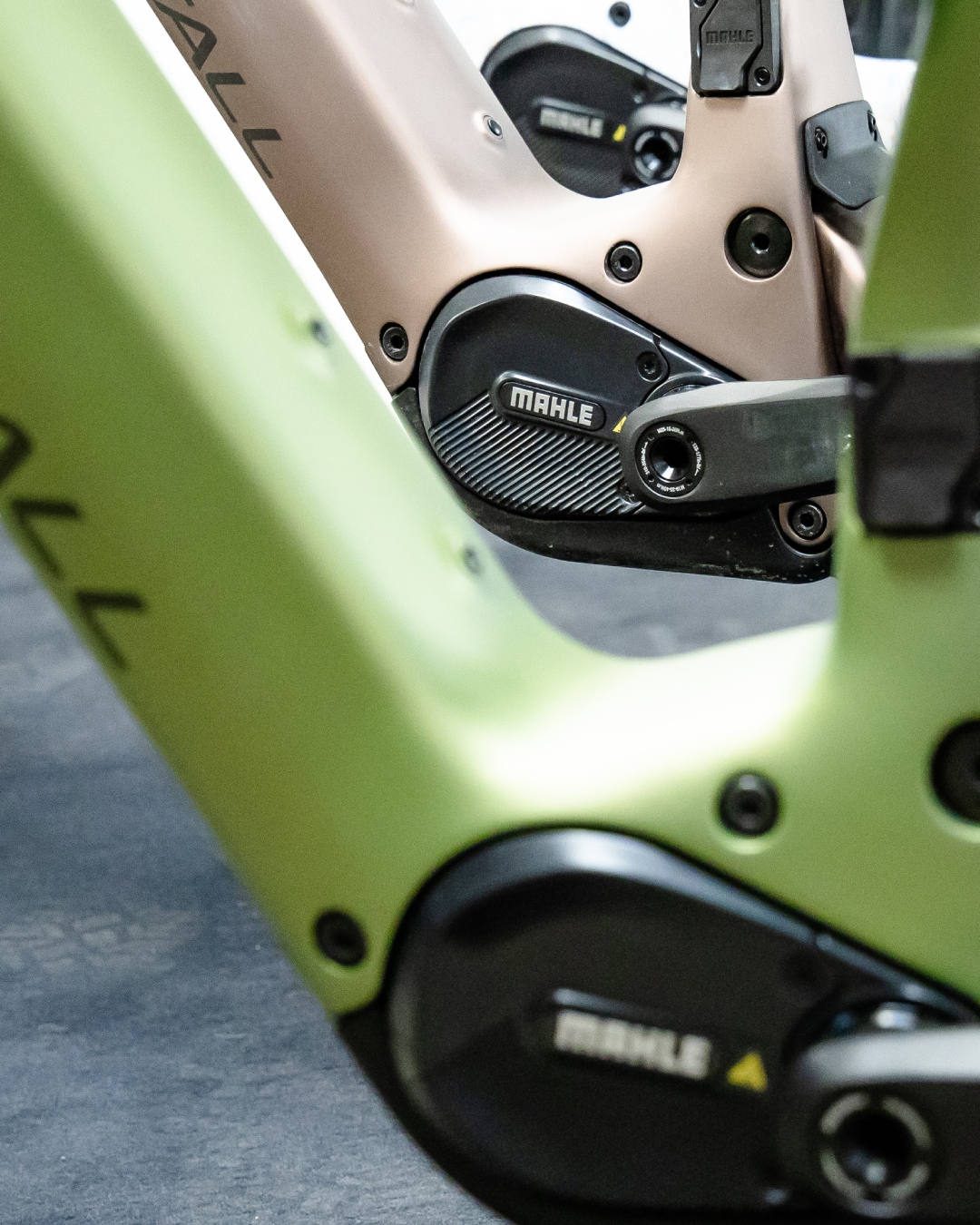
Participants tested market‑ready eBikes equipped with the M40 System on climbs, technical sections and mixed‑surface routes around the Messingschlager facilities. The session centred on understanding how the system responds under realistic load and cadence variations.
- Motor Dynamic Overrun A functionality designed to help riders clear obstacles by maintaining controlled support after pedalling stops. Testers evaluated how effectively it delivers momentum in roots, steps and irregular terrain.
- Auto Hold A feature that stabilises the bike on steep gradients without the need for brake input. Attendees analysed its predictability and natural behaviour during restarts on climbs and stop‑and‑go situations.
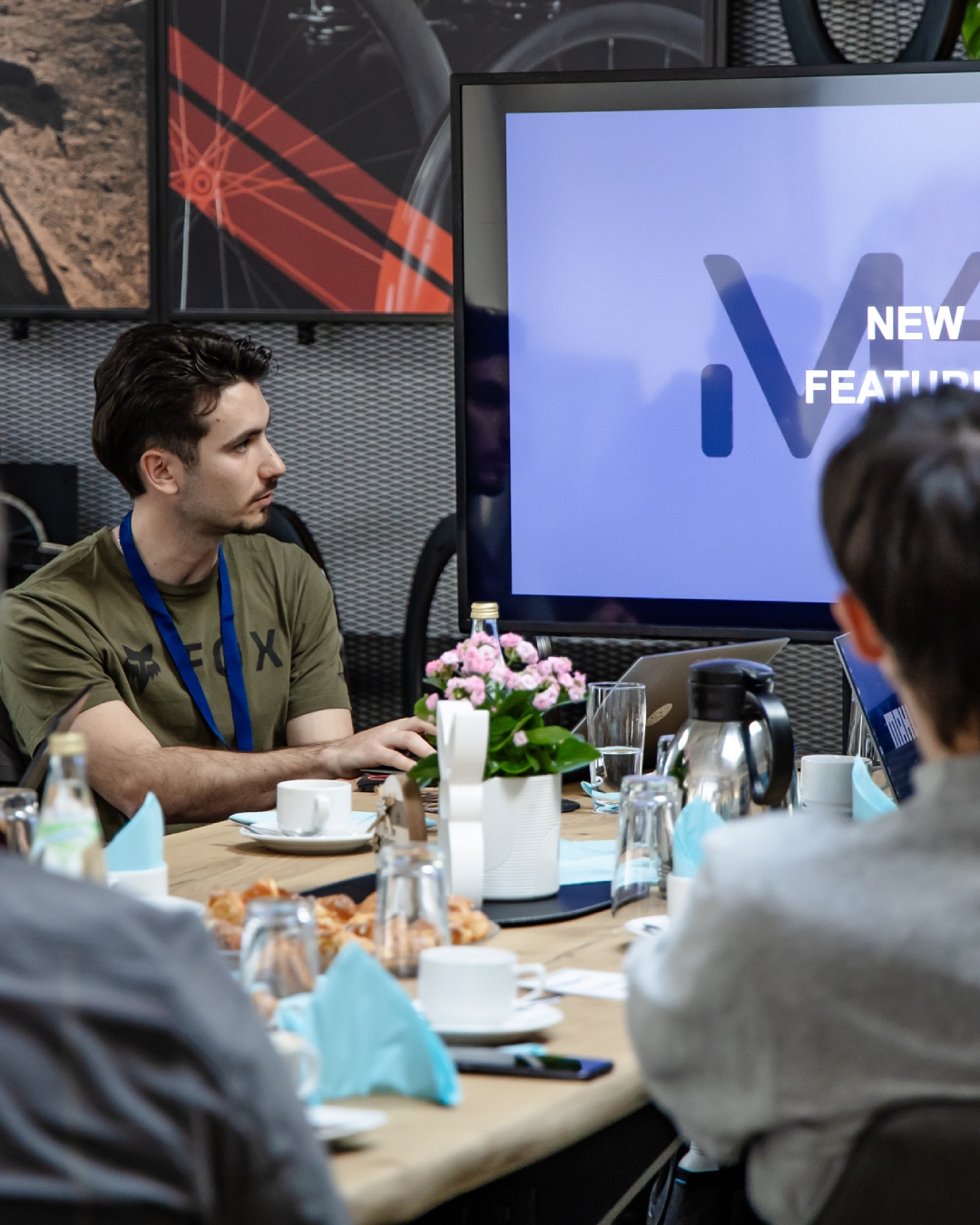
In addition to these established features, participants also tested new functionalities that will be revealed soon, allowing them to provide early feedback on their behaviour in real riding conditions.
A 17.2 kg Full‑Power eMTB Built by Messingschlager
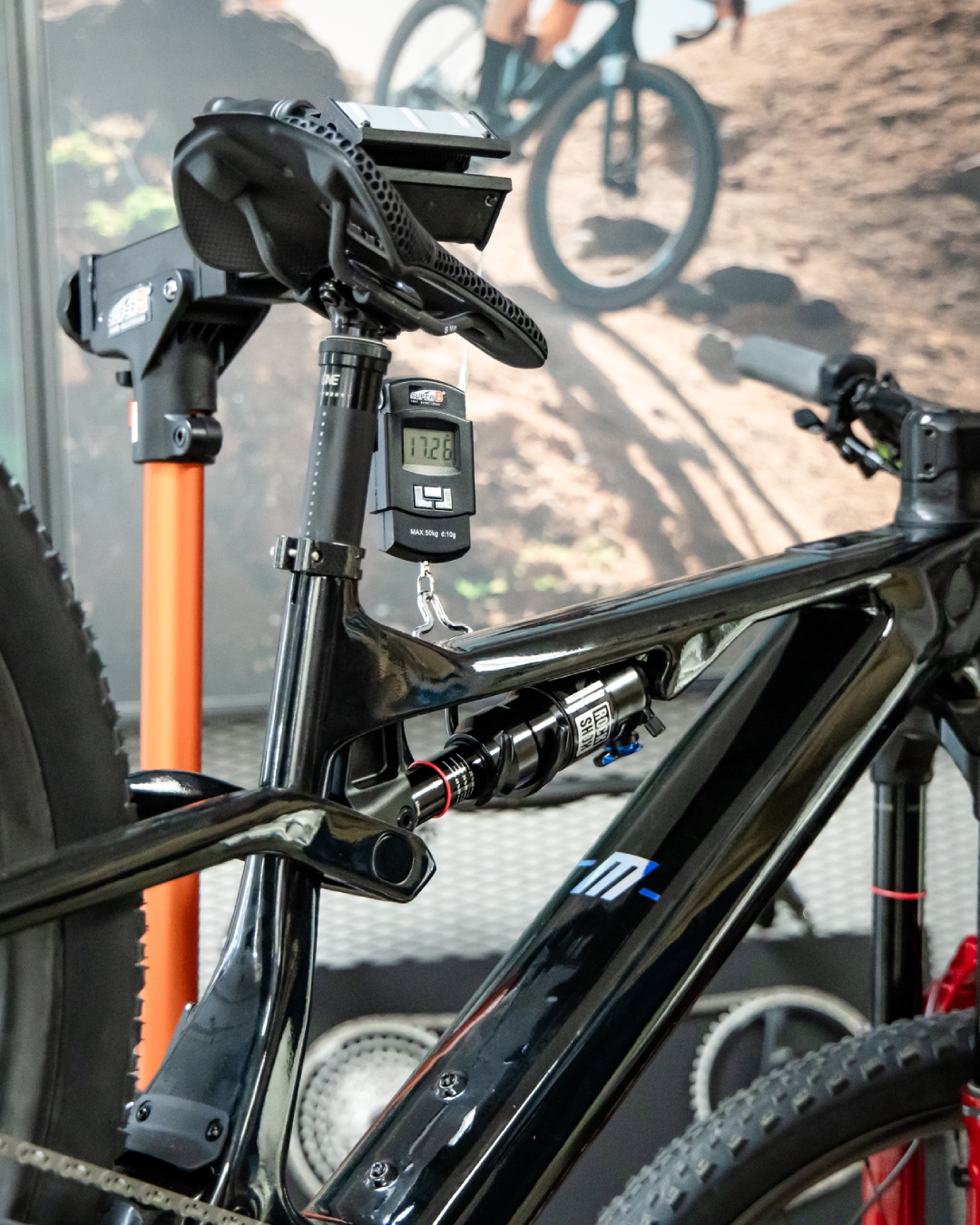
One of the standout bikes tested was a full‑power eMTB developed by Messingschlager using the MAHLE M40 System and weighing only 17.2 kg, an impressively low figure within a segment where many models exceed 22–24 kg.
This lightweight build highlights:
- The integration efficiency of the M40 platform
- Greater agility and more responsive handling
- Full‑power torque and performance without the typical weight penalty
The prototype showcased how brands can leverage the M40 to create capable, modern full‑power bikes with significantly improved riding dynamics.
Driving the Next Stage of the M40 Platform
The hands‑on tests offered valuable insights into the system’s performance in demanding scenarios, from long climbs to low‑speed technical sections. Feedback from partners and media, covering both current features and the upcoming functionalities tested during the visit, will support the fine‑tuning of future updates within the M40 ecosystem.
This collaborative work strengthens the system’s position within the full‑power segment, delivering controlled power, predictable handling and the potential for lighter, more agile eMTB designs.