Velomotion tests the M40: natural feel and progressive assistance
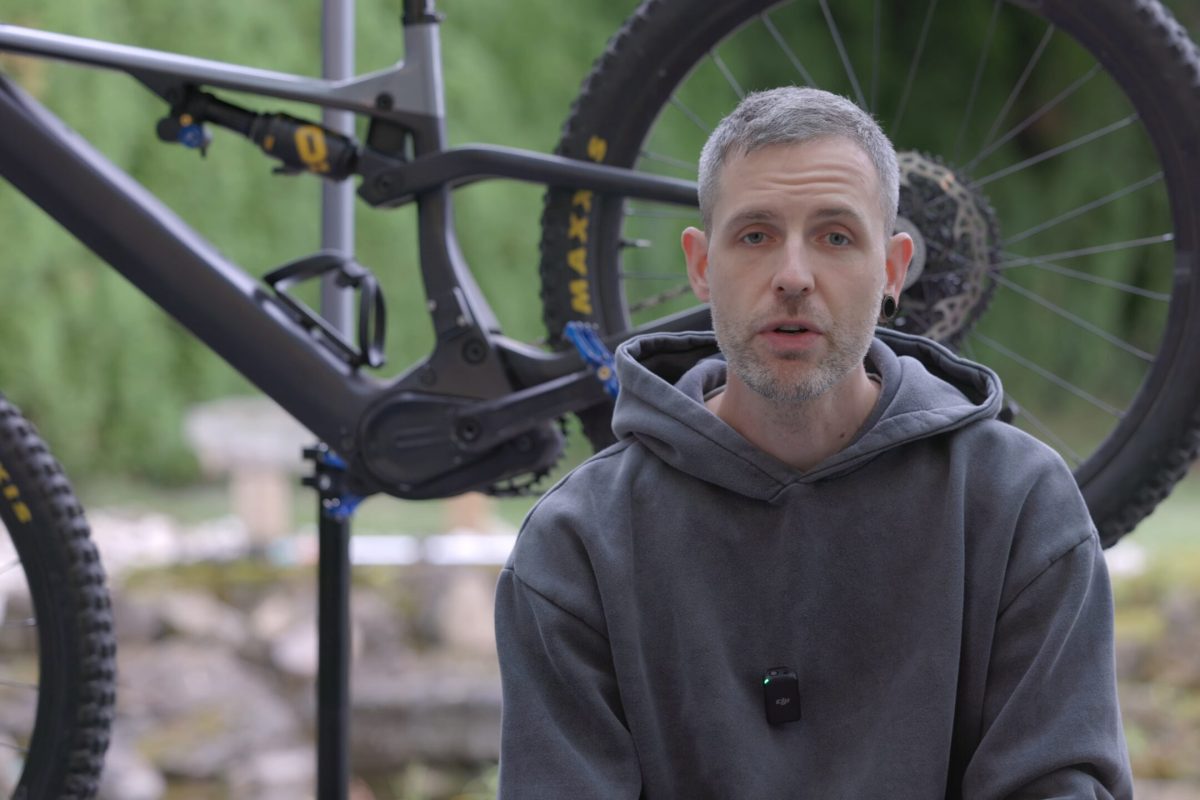
Velomotion has carried out an in‑depth test of the M40 System, with both laboratory and trail assessments. The review highlights three key points: a natural riding feel, progressive assistance that preserves the bike’s “feel”, and efficient behaviour that allows the motor to work with minimal effort under the test conditions. Below, we summarise the most relevant insights and provide links to the original article and video for further details.
What Velomotion valued in the M40 System
- Natural pedalling feel: power delivery matches the rider’s input without abrupt surges, preserving the bike sensation at all times.
- Progressive assistance: the stock modes maintain a linear, well‑modulated response, favouring traction control on changing terrain.
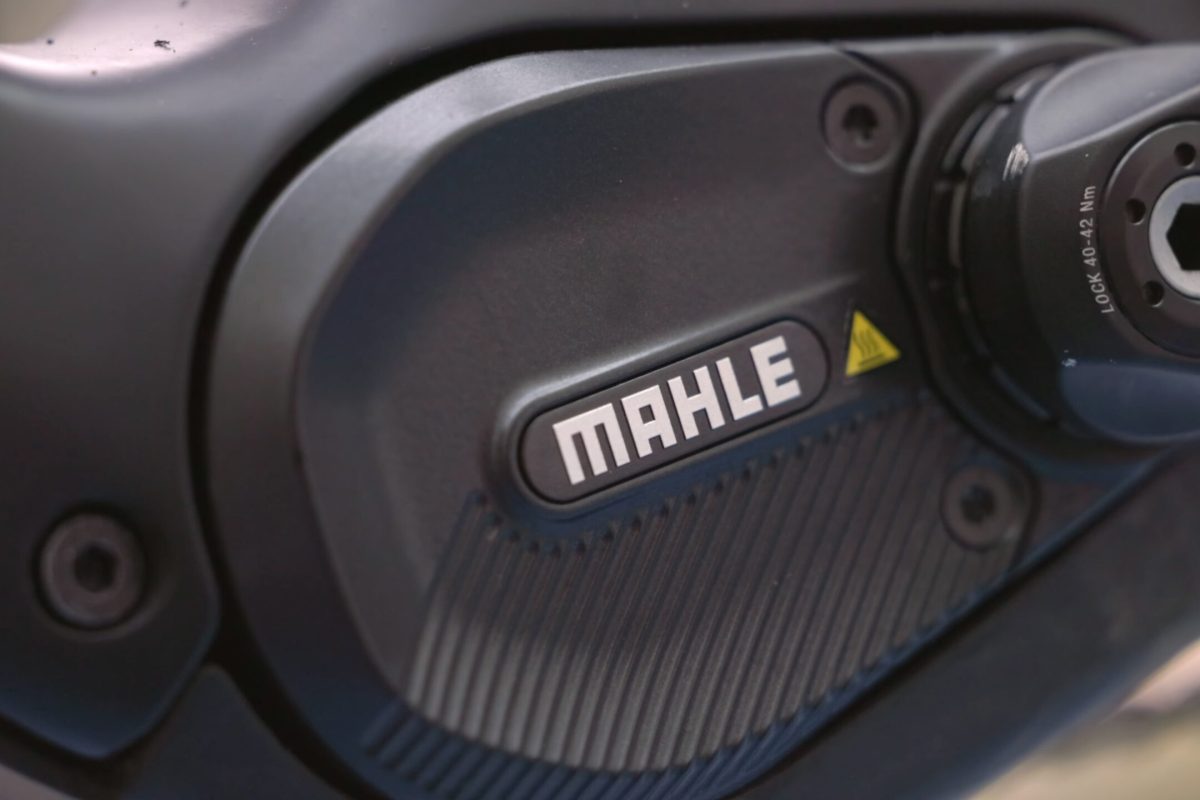
- Efficiency and thermal stability: thanks to the 48 V architecture and compact magnesium design (≈2.5 kg), the motor showed stable behaviour under continuous lab loads.
M40 System data and architecture
- Maximum torque: 105 Nm
- Peak power: up to 850 W
- Motor weight: ≈2.5 kg
- Architecture: 48 V for higher efficiency and improved thermal management
- Design: compact housing with a tapered rear section, freeing space for rear‑triangle kinematics and aiding frame integration
Ecosystem: batteries and controls
- Internal batteries (European‑made):
- iM5: 534 Wh (≈2.5 kg), aimed at lightweight builds.
- iM8: 800 Wh (≈3.8 kg), designed for maximum range.
- External Battery planned in the ecosystem to extend capacity when needed.
- Charger: 4 A at 48 V, with higher charging power than some equivalent 36 V systems.
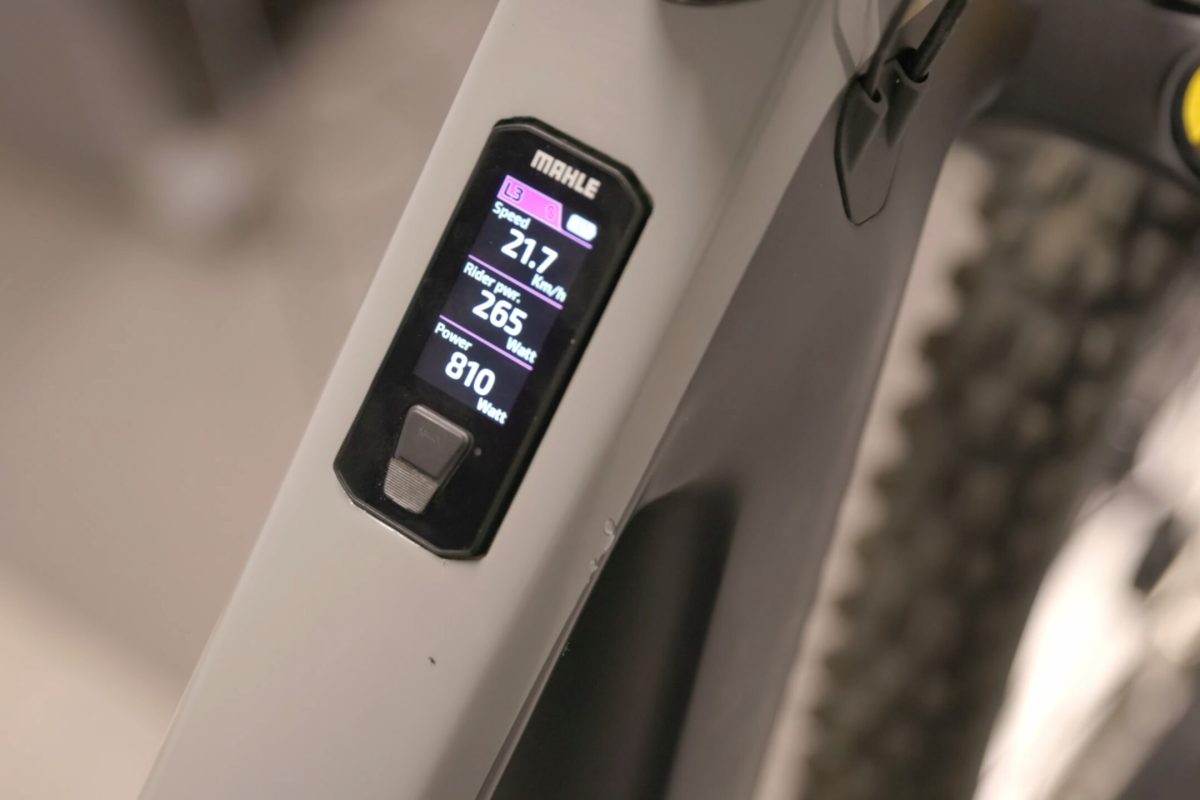
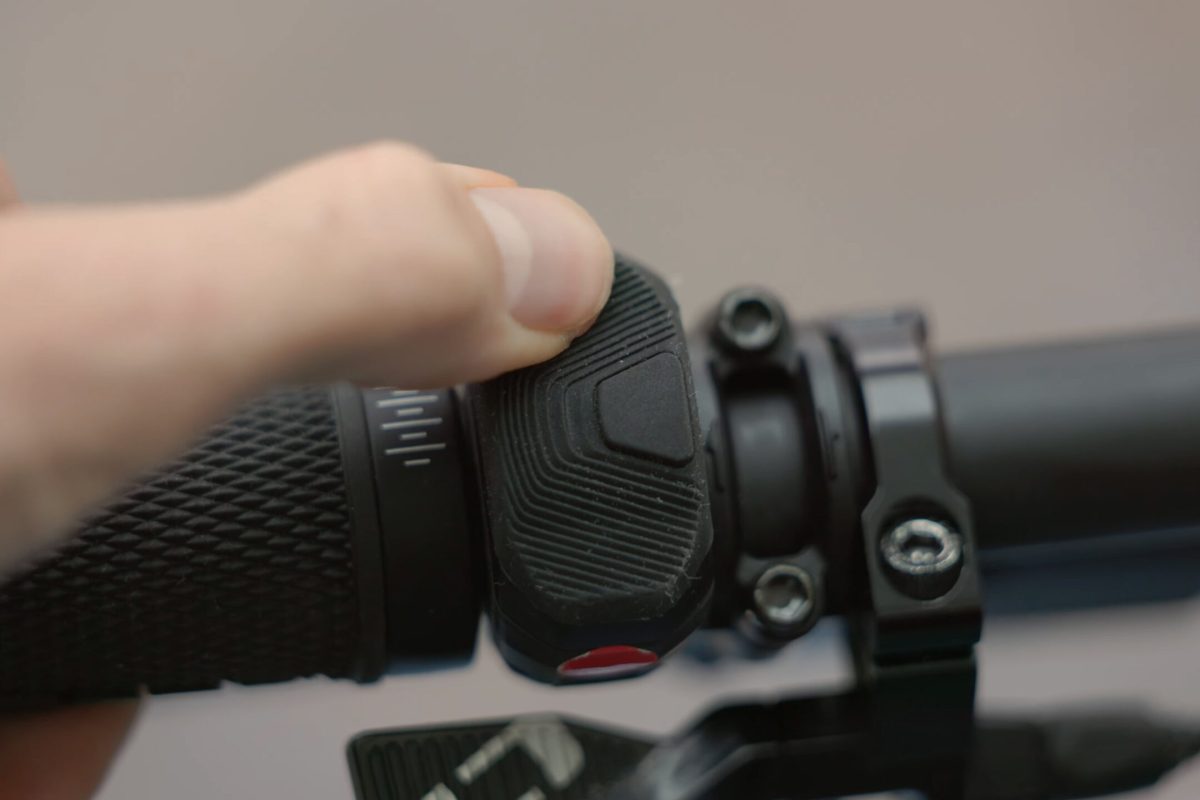
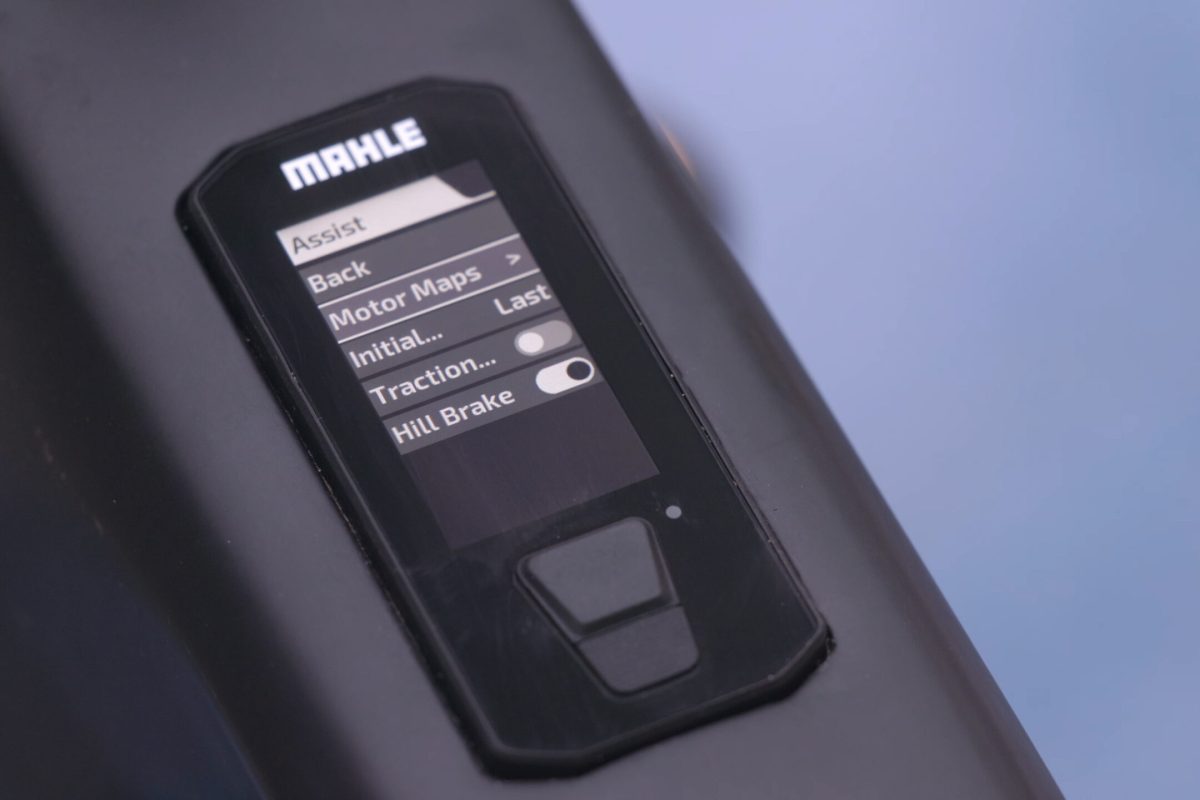
- Interface and controls: Head Unit+ 1.9″ colour display integrated into the top tube, with Duo Remote (wired) and Trio Remote (wireless three‑button) options for simplified navigation.
Laboratory performance
- Power and cadence: the test bench recorded peaks close to 800 W, especially at higher cadences (≈90–95 rpm).
- Modes and customisation: L1/L2/L3 modes show a linear response; custom settings allow riders who prefer more immediate acceleration to tailor support.
- Thermal management (derating): under sustained load, the system kept performance for extended periods before a gradual reduction, stabilising housing temperature around 80 °C.
Trail feel
- Response and control: direct yet organic motor response avoids an artificial sensation and favours bike control on technical climbs.
- Pedal sensing: fine per‑revolution sensing helps modulate torque and maintain traction on slippery surfaces.
- Smart features:
- Gear detection: adapts torque for better modulation.
- Hill Brake (hill‑start assist): prevents roll‑back on steep gradients, improving safety and comfort.
- Dynamic Overrun: brief boost after a pedal action to clear obstacles more smoothly. Source: Velomotion (article and video)
Acoustics
Velomotion notes that the system’s sound is noticeable on climbs and that occasional noises were observed on descents. These are common aspects in prototypes and early series that we will continue to monitor with brands integrating the M40 System.
Conclusion
The M40 System stands out as a high‑capability option thanks to its blend of natural feel, progressive assistance, and efficiency. In the test, it consistently remains in the leading group, even without “winning” every single trial, reinforcing its proposition: balance and control for riders who want to feel the bike and tap into power when it truly matters.