What Makes an eBike Motor Efficient?
When riders think about eBike efficiency, they usually think about one thing: how far they can ride on a single charge. Better eBike range and longer battery life are often seen as the ultimate indicators of an efficient system. However, efficiency is about much more than battery capacity alone.
An efficient eBike motor converts energy into useful assistance with minimal waste. It delivers support when needed, responds naturally to rider input and maximises every watt hour stored in the battery. Factors such as motor type, torque delivery, sensor technology, system weight and power management all influence how efficiently an eBike performs in the real world.
Understanding these factors helps explain why some eBikes achieve impressive range and ride quality despite using smaller batteries or lower power outputs.
eBike Motor Types and Their Impact on Efficiency
Not all eBike motors operate in the same way. Different eBike motor types have different strengths, and the motor architecture can significantly influence both ride feel and efficiency
How Does an eBike Motor Work?
An eBike motor converts electrical energy from the battery into mechanical assistance. As you pedal, sensors collect information about your cadence, speed and input force. The motor controller then determines how much support to provide and when to deliver it.
The more accurately this process is managed, the more efficiently the system uses energy. Rather than simply adding power, a well designed system delivers the right amount of assistance at the right moment.
Hub Motor vs Mid Drive: Does Motor Type Matter?
One of the most common discussions among riders is hub motor vs mid drive.
Both designs can be highly efficient, but they achieve assistance differently.
Hub motors are integrated into the wheel and offer a clean, compact solution that can reduce complexity while maintaining a natural riding experience. Mid-drive motors sit around the bottom bracket and work through the bike’s drivetrain, allowing the motor to benefit from the bike’s gearing. Both approaches can deliver excellent efficiency when matched to the right riding application.
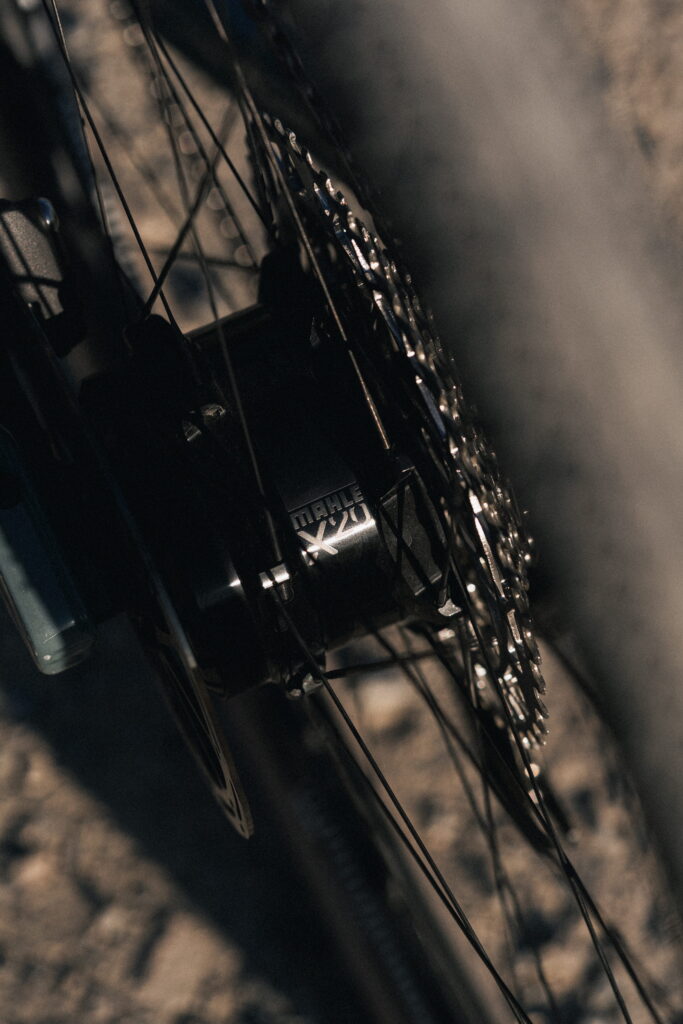
Hub Motors: Efficiency Through Integration and Lightweight Design
Hub motors stand out for their ability to combine performance, seamless integration and low weight in a compact solution. By being integrated directly into the wheel, they eliminate the need for additional drivetrain components and enable lighter eBikes with a cleaner overall design.
The efficiency of a hub motor is not determined solely by its power or torque output. Factors such as weight, system integration, electronic assistance management and the ability to deliver support precisely when the rider needs it all play a key role.
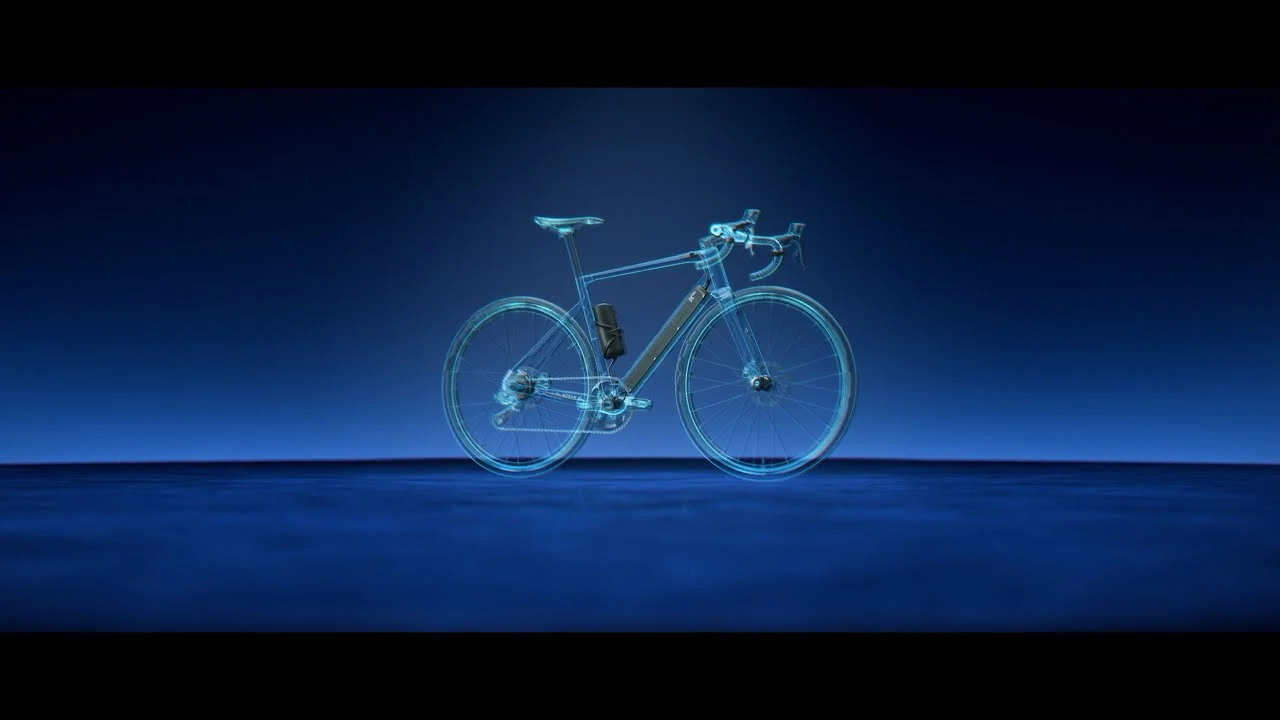
This philosophy is reflected in lightweight rear hub systems such as the MAHLE X20 System and X30 System. The X20 combines up to 65 Nm of torque with a total system weight of approximately 3 kg, while the X30 delivers 45 Nm of torque from a drive unit weighing just 1.9 kg. Both Systems have been designed to maximise efficiency through optimised integration, natural ride feel and power delivery that matches the rider’s actual needs.
By reducing overall eBike weight and optimising energy usage, hub motors can deliver excellent range without compromising the riding experience, providing a feeling that is closer to that of a traditional bicycle.
Why Torque Matters for Efficiency
When comparing eBikes, many riders immediately look at power figures. In reality, eBike torque often has a greater influence on both ride quality and efficiency.
Torque describes the rotational force generated by the motor. It determines how effectively an eBike accelerates, climbs steep gradients and responds to rider input.
A common misconception is that higher torque automatically reduces efficiency. In practice, an efficient motor is one that delivers the appropriate amount of torque without drawing unnecessary energy from the battery.
The goal is not maximum output at all times. Instead, the motor should provide assistance proportionally and precisely, matching the rider’s effort and the demands of the terrain.
This is why systems designed for different applications offer varying torque levels.
Why Torque Sensors Improve Efficiency
A motor can only be efficient if it understands exactly what the rider is doing.
This is where the torque sensor plays a crucial role.
Unlike simpler systems that only detect pedal movement, torque sensors measure how much force a rider applies to the pedals. This allows the motor to respond dynamically and deliver assistance only when required.
The result is a more natural ride feel, smoother power delivery and, often, more efficient use of battery energy.
Torque Sensor vs Cadence Sensor
Understanding the difference between a torque sensor and a cadence sensor helps explain why sensor technology plays such an important role in efficiency.
A cadence sensor measures how quickly the rider pedals. It detects crank rotation and activates assistance accordingly.
A torque sensor measures rider effort. Because it understands how hard the rider is pushing on the pedals, it can adjust support more precisely. This precision allows the motor to avoid delivering unnecessary power and helps optimise energy consumption.
Across MAHLE systems, advanced sensing technology is used to continuously analyse riding conditions and rider inputs. The X Series can be configured with torque sensing options, while the M40 combines high-resolution speed and torque sensors to provide immediate, controlled power delivery.
Why Lightweight eBikes Are More Efficient
One of the most overlooked factors in motor efficiency is weight.
Every kilogram that an eBike carries requires additional energy to accelerate, climb and maintain speed. Consequently, reducing overall system weight can have a direct impact on efficiency.
This is one reason why lightweight eBikes continue to gain popularity. A lighter bike requires less assistance to achieve the same riding performance, helping riders extend range while maintaining a more natural cycling experience.
eBike weight also affects handling and responsiveness. Riders often describe lightweight electric bikes as feeling more agile and closer to a traditional bicycle because the motor does not need to compensate for excessive mass.
The MAHLE X20 exemplifies this approach, enabling complete eBike builds below 10 kg while maintaining strong assistance capabilities. Similarly, the M40 achieves full-power performance with a drive unit weighing just 2.5 kg.
Power, Wattage and Energy Consumption
Power figures often dominate product specifications, but eBike motor power is only one piece of the efficiency puzzle.
Many riders compare systems based on eBike wattage or discussions such as 250W vs 500W eBikes. While power output influences performance, more power does not automatically mean greater efficiency.
A motor that consistently delivers more assistance than necessary may increase eBike power consumption and reduce overall range.
The most efficient systems balance performance with intelligent energy management. They provide support when required, minimise unnecessary energy use and adapt assistance levels to rider demand.
- The X30 delivers 250W of power
- The X20 reaches 275W peak power.
- The full-power M40 can provide up to 850W peak power for demanding mountain bike applications.
Each system is designed around a specific riding objective rather than simply maximising output.
This balance between assistance and eBike energy consumption is one of the defining characteristics of an efficient system.
How Motor Efficiency Affects eBike Range
Ultimately, riders experience efficiency through range.
The distance an eBike can travel is influenced by many interrelated factors, including motor design, torque delivery, sensor accuracy, power management, rider behaviour and overall system weight.
An efficient motor uses available energy intelligently, ensuring that every input from the battery contributes as effectively as possible to forward motion.
This is why the most efficient eBike motors are not necessarily the most powerful. Instead, they combine intelligent assistance, precise sensing, optimised torque delivery and lightweight design to maximise eBike range while preserving a natural riding experience.
Systems such as the X20, X30 and M40 demonstrate that efficiency is not about a single specification. It is the result of multiple technologies working together to help riders go further, ride more naturally and get the most from every charge
FAQs
How do you make an electric motor more efficient?
In eBikes, motor efficiency is improved through precise sensor technology, intelligent power management, optimised motor design and reduced overall system weight. Efficient systems deliver assistance only when necessary and minimise energy waste.
How powerful of an eBike motor do I need?
The ideal power level depends on your riding style and terrain. Urban riders may prioritise lightweight systems and natural assistance, while mountain bikers often benefit from higher torque and power outputs for technical terrain and steep climbs.
How can you increase eBike efficiency?
Maintaining correct tyre pressure, using appropriate assistance modes, reducing unnecessary weight and riding at a consistent cadence can all help improve efficiency and extend range.
What should you avoid when buying an eBike?
Avoid focusing exclusively on a single specification such as battery size or peak power. Instead, evaluate the complete system, including motor type, torque delivery, sensor technology, weight and overall riding experience.
How does eBike motor power affect efficiency?
eBike motor power influences how much assistance the system can deliver, but higher power does not automatically mean greater efficiency. An efficient motor provides the right level of support for the riding situation while minimising unnecessary energy consumption. This is why intelligent power management is often more important than peak power figures alone.
What is the difference between a torque sensor and a cadence sensor?
A cadence sensor measures whether and how fast the rider is pedalling, while a torque sensor measures how much force the rider applies to the pedals. Torque sensors allow the motor to adjust assistance more precisely, often creating a more natural riding experience and improving overall efficiency.
Are hub motors or mid-drive motors more efficient?
There is no universal answer. In the hub motor vs mid-drive debate, efficiency depends on the application. Mid-drive systems can take advantage of the bike’s gearing, while lightweight hub motor systems can offer excellent efficiency through reduced weight, simplified integration and intelligent assistance management.
Does eBike weight affect efficiency?
Yes. A lighter eBike requires less energy to accelerate, climb and maintain speed. Reducing overall system weight can improve efficiency, extend range and create a more responsive riding experience.
Do lightweight eBikes have better range?
In many situations, yes. A lightweight eBike requires less energy to move, which can reduce energy consumption and help maximise range. However, motor tuning, battery capacity, rider behaviour and terrain also play important roles.
How much torque do I need on an eBike?
The ideal amount of torque depends on how and where you ride. Urban and recreational riders may only require moderate torque levels, while steep climbs, gravel riding and mountain biking often benefit from higher torque outputs. The most efficient setup is not necessarily the highest torque available, but the one matched to the rider’s needs.
What affects eBike range the most?
Several factors influence eBike range, including motor efficiency, battery capacity, rider weight, terrain, wind conditions, assistance mode and riding style. System weight and energy management can often have just as much impact as battery size itself.
Do more powerful eBike motors use more battery?
Not necessarily. More powerful motors have the potential to consume more energy, but actual battery usage depends on how much power is being delivered and how frequently it is used. A well-calibrated motor can remain highly efficient even with high power capabilities.