Drag-Free: Why It Changes the eBike Riding Experience
Drag-Free Technology is one of the key innovations behind modern lightweight eBikes. While motor power and battery capacity often dominate discussions, the quality of an eBike ride depends just as much on what happens when the motor is not assisting.
Many riders have experienced the sensation of pedalling against resistance after reaching the 25 km/h assistance limit or riding with the motor switched off. This resistance can make an eBike feel heavier and less natural, particularly on road and gravel rides where maintaining momentum is important.
Drag-Free Technology addresses this challenge by minimising the internal resistance generated by the motor when assistance is no longer required. The result is a ride that feels smoother, more efficient and closer to that of a conventional bicycle.
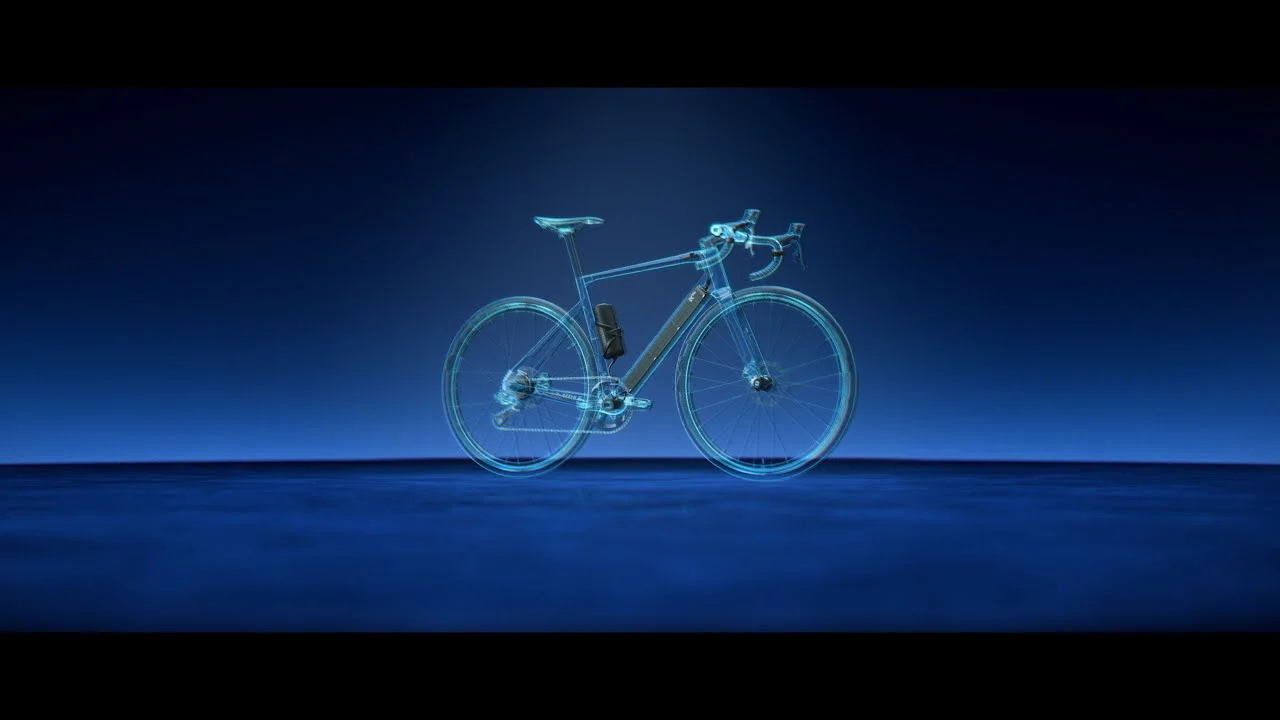
As lightweight eBikes continue to gain popularity, technologies that improve pedalling efficiency and natural ride feel are becoming increasingly important. Systems such as the MAHLE X20 System demonstrate how advanced hub motor design can help create a seamless transition between assisted and non-assisted riding.

What Is Drag-Free Technology?
Drag-Free Technology refers to the ability of an eBike motor to rotate with minimal resistance when it is not actively providing assistance.
In traditional electric motor designs, internal friction, magnetic forces and other mechanical elements can create drag even when the rider is generating all the power. This additional resistance may be noticeable when riding above the legal assistance limit, descending or cycling with an empty battery.
Drag-Free Technology is designed to reduce these losses as much as possible. The objective is simple: when motor assistance stops, the bicycle should continue to pedal naturally and efficiently.
This concept is particularly relevant in hub motors, where the motor is integrated directly into the wheel. A well-designed drag-free system helps ensure that the rider’s effort is transferred efficiently to the road without feeling as though the motor is holding the bike back.
Drag-Free vs. conventional hub motor
How the two designs compare once motor assistance stops.
Key Benefits
- Reduced pedalling resistance
- More natural riding feel
- Improved efficiency above 25 km/h
- Better performance when riding without assistance
- Enhanced suitability for lightweight eBikes
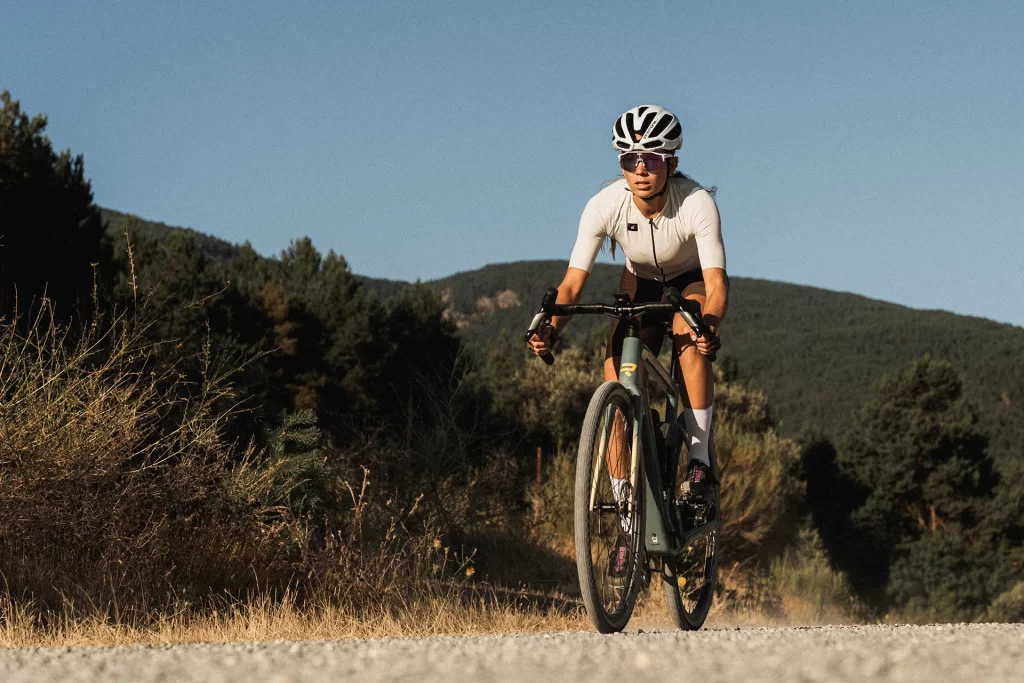
Why Drag-Free Technology Matters
Real-world riding conditions constantly change. Riders accelerate, climb, descend and often exceed the 25 km/h assistance limit.
When this happens, motor resistance becomes a critical factor. A system that generates noticeable drag can make the bike feel less efficient and require additional rider effort to maintain speed.
For road and gravel riders, this can significantly affect the overall experience. These riders often spend extended periods riding above the assistance threshold or producing their own power. A drag-free motor allows them to maintain momentum more naturally and efficiently.
This is one reason why Drag-Free Technology has become increasingly important in the lightweight eBike category, where the objective is to deliver support without compromising the feeling of riding a conventional bicycle.
Where pedalling resistance matters most: Three real-world moments where a drag-free motor makes the biggest difference.
Riders exceed the legal limit and generate all the power themselves.
Longer rides where the battery runs out but the ride continues.
Momentum needs to carry through without motor drag slowing it down.
Main Benefits of Drag-Free Technology
More Natural Pedalling Feel
Perhaps the greatest advantage of Drag-Free Technology is the ability to deliver a riding sensation that closely resembles a traditional bicycle.
Rather than feeling a sudden change when assistance stops at 25 km/h, riders experience a smoother transition. The bike remains responsive and predictable, helping maintain confidence and comfort throughout the ride.
Improved Efficiency Above 25 km/h
Many road and gravel riders regularly ride beyond the legal assistance limit.
A drag-free motor helps preserve momentum by reducing internal mechanical resistance. Instead of expending additional energy to overcome motor drag, more of the rider’s effort is converted directly into forward motion.
This improves overall efficiency and contributes to a faster, more enjoyable ride.
Better Performance With the Motor Off
Battery depletion is not an ideal situation, but it can happen during longer rides.
A bike equipped with Drag-Free Technology remains enjoyable to ride even without assistance. Reduced resistance helps make the bike easier to pedal, giving riders greater confidence when planning longer distances or exploring unfamiliar routes.
Enhanced Lightweight eBike Performance
Lightweight eBikes focus on efficiency, handling and agility rather than maximum motor output.
Drag-Free Technology complements this philosophy by reducing unnecessary resistance and helping preserve the agile behaviour riders expect from a lighter bicycle.
The result is an eBike that feels more dynamic and responsive across a wide variety of riding conditions.
Greater Rider Engagement
Many cyclists choose lightweight eBikes because they still want an active riding experience.
Drag-Free Technology allows riders to remain connected to the bike and the terrain rather than relying entirely on motor assistance. Electric support is available when needed, but the rider remains at the centre of the experience.
Challenges and Considerations
Despite its advantages, Drag-Free Technology presents several engineering challenges.
Reducing resistance while maintaining performance requires precise motor design and sophisticated optimisation. Engineers must balance efficiency, weight, durability and power delivery within a compact package.
There is also the question of rider priorities. Some eBike users place a greater emphasis on maximum torque and acceleration, while others value a natural riding experience above all else.
This means manufacturers must carefully choose the right balance for each type of bicycle.
For road, gravel and premium urban eBikes, reducing drag is often considered a major priority because it has a direct impact on overall ride quality.
Riding feel: how close to a conventional bicycle
Drag-Free Technology narrows the gap between electric assistance and traditional cycling.
How Drag-Free Technology Supports Lightweight eBike Design
Integration
Modern hub motor systems allow manufacturers to create clean and discreet bicycle designs. Because the motor is integrated into the rear wheel, the appearance remains close to that of a conventional bicycle.
The MAHLE X20 is a good example of how advanced integration can support both aesthetics and performance.
Weight
Weight plays a crucial role in determining how an eBike handles.
Low-drag hub motors align naturally with the lightweight eBike philosophy, helping manufacturers create bikes that feel agile and responsive both on climbs and on flat terrain.
Efficiency
Reducing resistance improves more than battery performance.
Mechanical efficiency increases because less rider energy is lost overcoming internal motor forces. This contributes to a smoother and more rewarding riding experience.
Riding Experience
The ultimate purpose of Drag-Free Technology is to enhance ride quality.
Smoother transitions between assisted and non-assisted riding help create a more natural feel, particularly for riders who frequently exceed 25 km/h or who want an eBike that behaves as closely as possible to a conventional bicycle.
Innovation
The evolution of lightweight eBikes increasingly focuses on refining the riding experience rather than simply increasing power.
Technologies that reduce resistance and improve efficiency are becoming increasingly important as riders seek bikes that combine electric assistance with authentic cycling characteristics.
Drag-Free Hub Motor vs Conventional Hub Motor
| Feature | Drag-Free Hub Motor | Conventional Hub Motor |
|---|---|---|
| Pedalling resistance | Very low | More noticeable |
| Riding above 25 km/h | Smooth and natural | Greater resistance |
| Efficiency without assistance | High | Lower |
| Road and gravel suitability | Excellent | Good |
| Riding feel | Similar to a conventional bike | More motorised |
Future Trends
The demand for lightweight eBikes continues to grow, particularly in road, gravel and premium urban segments.
As a result, manufacturers are placing greater emphasis on technologies that improve ride quality rather than focusing solely on power output.
Future developments are likely to include further reductions in mechanical resistance, smarter motor control systems and lighter materials. Together, these innovations will help create eBikes that feel increasingly similar to conventional bicycles while maintaining the advantages of electric assistance.
Drag-Free Technology is expected to play a central role in this evolution.

Frequently Asked Questions
What does Drag-Free Technology mean on an eBike?
Drag-Free Technology refers to a motor design that minimises resistance when assistance is not being provided. It allows the bicycle to pedal more freely and naturally, particularly above the 25 km/h assistance limit or when the motor is switched off.
Can you feel drag in a conventional hub motor?
Yes. Depending on the motor design, riders may notice resistance generated by internal mechanical or magnetic components. The amount of drag varies between systems, but reducing it generally improves riding comfort and efficiency.
Why is Drag-Free Technology important for road eBikes?
Road riders frequently exceed 25 km/h and spend long periods generating their own power. A drag-free motor helps maintain a natural riding feel and allows the bike to remain efficient even when assistance is no longer active.
Is Drag-Free Technology only beneficial on lightweight eBikes?
No, but its advantages are particularly noticeable on lightweight eBikes because these bikes are designed to prioritise natural handling, efficiency and rider engagement. Reducing motor resistance supports all three objectives.
Does the MAHLE X20 System use Drag-Free Technology?
The MAHLE X20 System has been designed to deliver a highly natural riding experience through a lightweight hub motor architecture with minimal pedalling resistance. This helps ensure smooth transitions between assisted and non-assisted riding and contributes to the feeling of riding a conventional bicycle.
Conclusion
Drag-Free Technology is one of the defining innovations behind today’s most advanced lightweight eBikes. By minimising pedalling resistance when assistance is not required, it helps create a riding experience that feels smoother, more efficient and more natural.
- Reduced pedalling resistance.
- More natural riding feel.
- Improved efficiency above 25 km/h.
- Enhanced suitability for lightweight eBikes.
- Better performance when riding without assistance.
As the eBike market continues to evolve, reducing resistance and enhancing ride quality will remain essential priorities, making Drag-Free Technology an increasingly important feature for riders seeking the most natural eBike experience possible.