How to Extend the Life of Your eBike Battery
The battery is one of the most important components of any eBike. Its condition directly affects range, riding experience and the long-term value of the bike. While all lithium-ion batteries gradually lose capacity over time, charging habits, storage conditions and riding behaviour can significantly influence how quickly that process occurs.
The good news is that most factors affecting battery longevity are within the rider’s control. A few simple habits can help maintain more consistent performance for years.
Understanding What Battery Lifespan Really Means
When discussing eBike battery lifespan, we are not referring to how long a battery lasts during a ride. Instead, battery lifespan refers to the battery’s ability to retain and store energy over many years of use.
Lithium-ion batteries gradually lose capacity with every charge and discharge cycle. This is a normal process that affects all eBikes regardless of brand or System.
However, battery ageing is not determined by charge cycles alone. Temperature, charging habits, storage conditions and riding patterns all play an important role.
As a result, two riders using the same eBike may experience very different levels of battery degradation after several years.
Optimal charge range for daily use
Keeping the battery between 20% and 80% reduces stress on the cells and helps extend its long-term life.
Avoid Extreme Temperatures
Temperature is one of the most important factors affecting battery health.
Heat Accelerates Battery Ageing
High temperatures can increase the rate of chemical degradation inside battery cells. Leaving an eBike in direct sunlight for extended periods during summer or storing it in hot environments may reduce long-term battery performance.
Whenever possible:
- Store the eBike in a cool, dry location.
- Avoid prolonged exposure to direct sunlight.
- Keep the battery away from significant heat sources.
- Never leave the eBike inside a vehicle exposed to extreme temperatures for long periods.
Cold Weather Reduces Performance Temporarily
Low temperatures can temporarily reduce the available range and power output of a battery. This does not necessarily indicate permanent battery deterioration.
During colder months:
- Store the eBike indoors whenever possible.
- Allow the battery to reach a moderate temperature before charging.
- Expect some reduction in range compared to warmer conditions.
Cold Weather Reduces Performance Temporarily
Heat accelerates chemical degradation; cold temporarily reduces available range and power.
Charge Your Battery Smartly
Charging habits have a direct impact on battery longevity.
Avoid Leaving the Battery at 100% for Long Periods
Fully charging a battery is useful before a long ride. However, keeping the battery at 100% for weeks or months at a time is generally not ideal for long-term storage.
If you do not plan to use your eBike for an extended period, storing the battery at a partial charge is usually a better option.
Do Not Routinely Drain the Battery Completely
Modern lithium-ion batteries do not require full discharge cycles.
In fact, frequent deep discharges can place additional stress on battery cells. In most situations, it is preferable to recharge the battery before it reaches extremely low charge levels.
Use the Correct Charger
Always use chargers approved for the specific eBike System.
This helps ensure:
- Proper charging management.
- Electrical compatibility.
- Appropriate safety parameters.
- Reliable battery performance over time.
How to Store an eBike for Weeks or Months
Recommended charge level for storage Neither empty nor full: a mid-level charge protects the battery best over weeks or months of inactivity.
Adapt Your Riding Style
The way an eBike is used can also influence battery longevity.
Avoid Unnecessary Power Demands
Aggressive acceleration, constant use of maximum assistance levels and frequent riding under heavy load conditions all increase energy demand.
This does not mean such situations should always be avoided. However, a balanced riding style can help optimise both range and battery health.
Use Assistance Levels Efficiently
Selecting the appropriate assistance mode for the terrain and riding conditions can reduce unnecessary energy consumption.
Modern eBike Systems allow riders to adapt assistance levels to match the route, helping improve overall efficiency.
For example, lower assistance modes may be sufficient on flat terrain, while higher support levels can be reserved for steeper climbs and more demanding sections.
Energy demand by assistance mode
Matching the assistance level to the terrain reduces unnecessary energy use and battery wear.
Keep Your Digital Ecosystem Updated
Software plays an increasingly important role in modern eBike Systems.
Connected platforms can help riders monitor performance, manage settings and gain better visibility into overall System behaviour.
Within the MAHLE SmartBike Systems ecosystem, tools such as the MAHLE SmartBike App and My SmartBike provide riders with valuable information about their connected eBike experience. Riders should always consult official product documentation to understand the features available for their specific System and software version.
Why Overall System Efficiency Matters
Battery lifespan is not determined by the battery alone.
The efficiency of the complete eBike System also affects how much energy is required for every ride.
Factors influencing overall efficiency include:
- Total System weight.
- Electronic assistance management.
- Integration of components.
- Motor configuration.
- Riding conditions.
- Tyre pressure and bike maintenance.
This is one reason why efficiency has become an important consideration for both riders and bike brands. An efficient System can help make better use of available energy, potentially reducing charging frequency over time.
For companies such as MAHLE SmartBike Systems, the focus on lightweight integration and efficient power management reflects a broader industry trend towards delivering a natural riding experience while optimising energy use.
Can an External Battery Help?
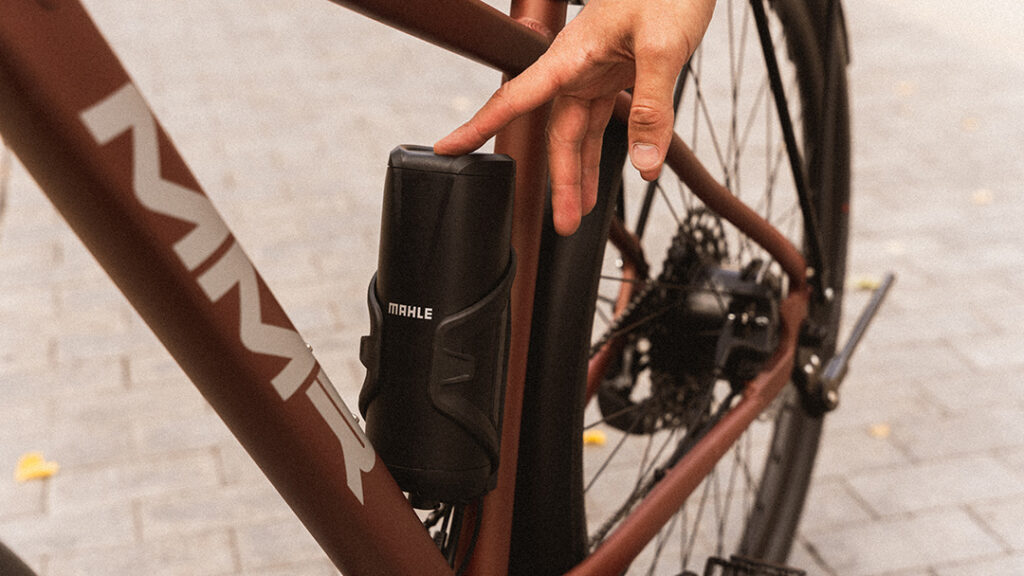
An External Battery can be a useful solution for riders regularly tackling longer distances.
Its primary purpose is to increase the energy available for a ride, helping reduce concerns about range during particularly demanding routes.
However, an External Battery does not stop the natural ageing process of the main battery. Instead, it provides additional energy capacity when required.
Whether an External Battery is appropriate depends on the rider’s needs, the intended riding profile and compatibility with the specific eBike System.
Signs That Your Battery May Need Professional Inspection
Over time, battery performance naturally changes. However, certain symptoms may indicate that a technical inspection is advisable.
Potential warning signs include:
- Significantly reduced range compared to normal usage.
- Unusually long or inconsistent charging times.
- Unexpected behaviour during operation.
- Error messages generated by the System.
- Visible physical damage to the battery housing.
If any of these issues occur, riders should contact an authorised service centre rather than attempting repairs themselves.
Frequently Asked Questions
1. Is it bad to charge my eBike battery after every ride?
No. Modern lithium-ion batteries are designed to handle regular charging. Following the manufacturer’s charging recommendations is more important than avoiding frequent charges.
2. Should I fully discharge my eBike battery occasionally?
Generally, no. Lithium-ion batteries do not require routine full discharge cycles, and frequent deep discharges may contribute to increased battery stress.
3. Can I leave my eBike unused for several months?
Yes. However, the battery should be stored at an appropriate charge level and checked periodically during the storage period.
4. Does cold weather permanently damage an eBike battery?
Not necessarily. Cold temperatures typically reduce performance temporarily. Problems are more likely when batteries are exposed to extreme temperatures or charged under unsuitable conditions.
5. What has the greatest impact on battery lifespan?
Temperature management, charging habits and storage practices are generally among the most influential factors affecting long-term battery health.
Key Takeaways for Maximising eBike Battery Life
While all lithium-ion batteries naturally lose capacity over time, the way you use, charge and store your eBike can have a significant impact on how quickly that happens.
To get the most from your battery over the years:
- Charge between 20% and 80% for everyday use.
- Avoid leaving the battery at 100% if you won't ride soon.
- For weeks/months of storage, keep 30–60% and check periodically.
- Store the eBike in a cool, dry place, away from direct sunlight.
- Don't charge the battery when it's very cold; let it warm up first.
- Use only original or approved chargers for your system.
- Avoid pressure washing near charging ports and connectors.
- Keep your system software up to date.
Ultimately, extending eBike battery life is not about a single action but a combination of good habits. With proper care and regular maintenance, riders can help preserve battery health, maintain reliable performance and enjoy more years of riding from their eBike.