eBike Internal vs External Battery: Pros and Cons
The battery is one of the most important components of any eBike. While capacity, range and charging times often receive most of the attention, battery placement has become an equally important factor for bike brands, dealers and riders.
Over recent years, the eBike industry has evolved from visible batteries mounted on the frame towards increasingly integrated designs. However, both solutions continue to play an important role in today’s market and address different rider needs.
As a result, one of the most common questions among people considering an eBike is: should you choose an internal battery or an external battery?
The answer depends on a range of factors, including riding style, charging habits, maintenance preferences, range requirements and the overall design objectives of the bicycle.
In this article, we’ll explore the advantages and disadvantages of both configurations, examine how battery placement influences riding characteristics and explain why certain eBike categories tend to favour one solution over the other.
What Is an Internal Battery on an eBike?
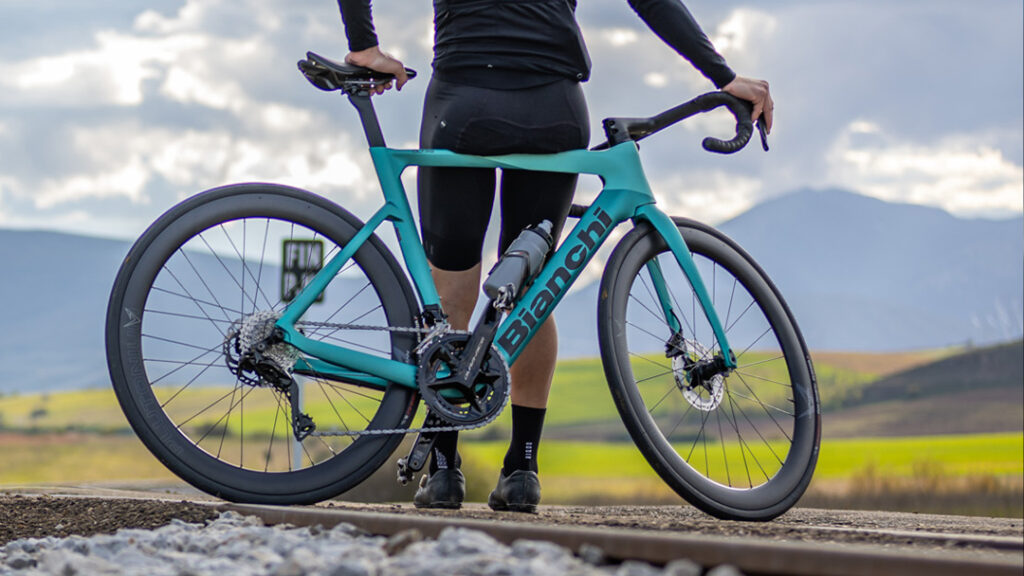
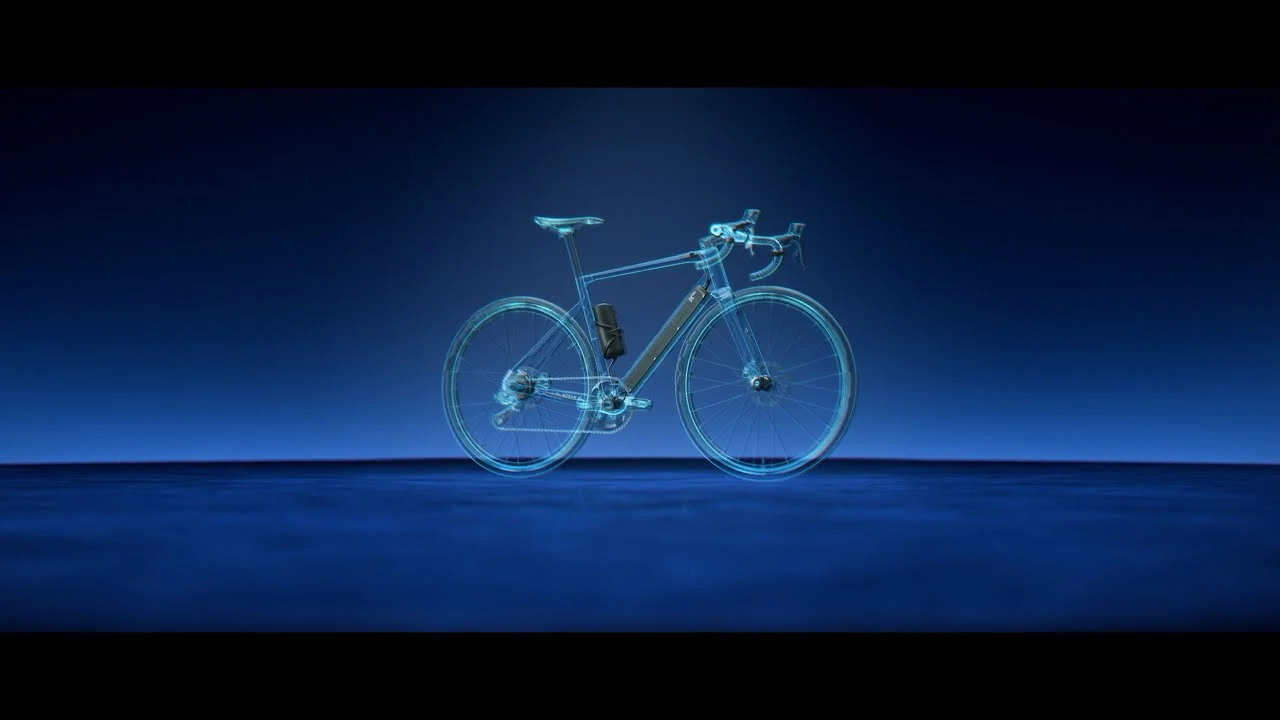
An internal battery is housed inside the bicycle frame, typically within the downtube. Depending on the design, it may be removable for charging and servicing or permanently integrated into the frame.
This configuration has become the preferred choice for many modern road, gravel, fitness and premium urban eBikes, as it allows a much cleaner integration of electrical components.
Beyond aesthetics, frame integration also helps optimise weight distribution and enables sleeker bicycle designs that increasingly resemble traditional non-assisted bikes.
What Is an External Battery on an eBike?
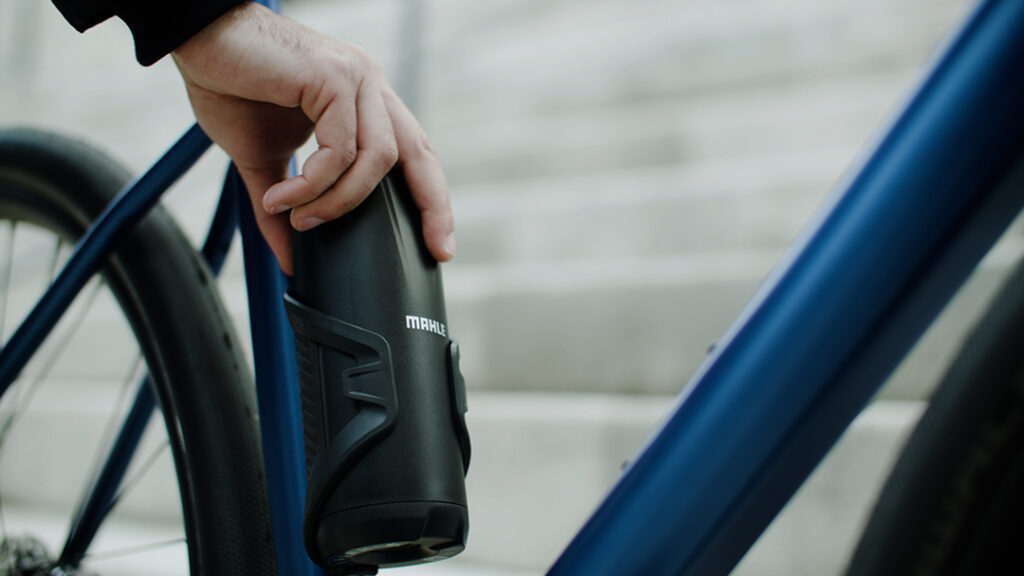
An external battery is mounted outside the frame and remains visible. It is typically positioned on the downtube, seat tube or rear luggage rack.
During the early growth of the eBike market, this was the dominant solution due to its simplicity in manufacturing and maintenance. Today, it remains highly relevant in specific segments thanks to its accessibility and ease of use.
External batteries are commonly found on urban eBikes, utility bicycles, cargo bikes and models designed to maximise range.
Internal vs External eBike Battery: Quick Comparison.
| Factor | Why it matters | Beginner tip |
|---|---|---|
| Motor behaviour | Defines how natural the bike feels | Test ride on climbs and starts |
| Battery capacity | Influences potential range | Match capacity to real routes |
| Weight | Affects handling, storage and transport | Lift the bike before buying |
| Sensor quality | Improves response and control | Look for smooth, predictable assistance |
| Dealer support | Important for service and updates | Buy where technical help is available |
| Integration | Affects aesthetics, usability and reliability | Check cables, display and charging access |
| Local regulation | Defines where and how the eBike can be used | Check assisted speed, power limits and throttle rules |
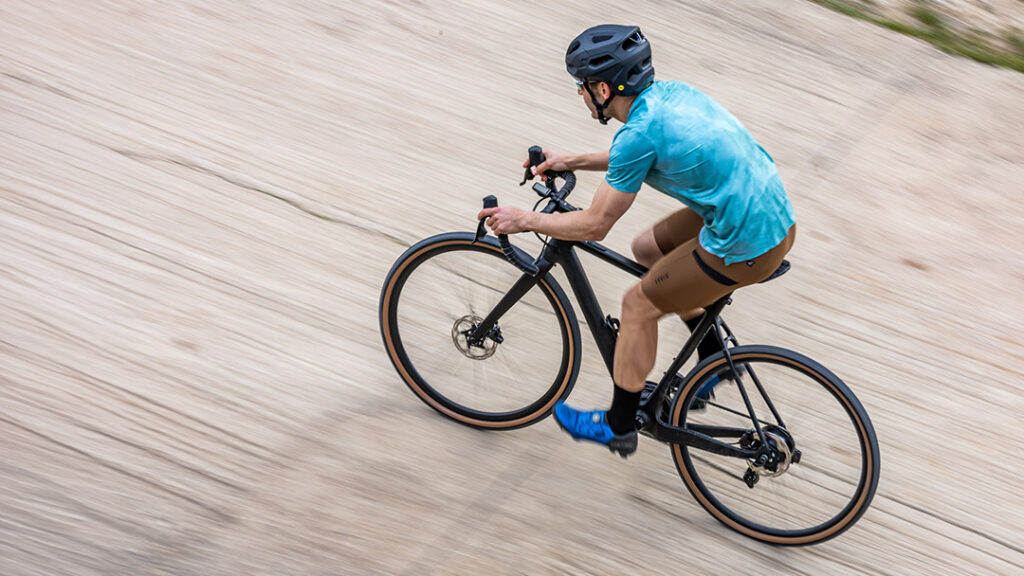
Advantages of Internal eBike Batteries
Cleaner Visual Integration
One of the main reasons brands choose internal batteries is aesthetics.
The battery remains almost completely hidden inside the frame, allowing manufacturers to create bicycles that look cleaner and more refined. This is especially important in road, gravel and premium urban segments, where design plays a significant role in purchasing decisions.
As eBikes have become more mainstream, many riders have increasingly sought electric bicycles that do not immediately look electric. Battery integration plays a major role in achieving that goal.
Improved Weight Distribution
The battery is one of the heaviest components on an eBike. Its position therefore has a direct impact on handling and overall riding dynamics.
When integrated within the downtube, the battery helps centralise mass around the bike’s centre of gravity, improving balance across the entire system.
In practice, this often results in greater stability, improved cornering confidence and a more natural riding experience.
More Natural Riding Characteristics
The development of lightweight eBikes has demonstrated that riding quality depends on far more than motor power or battery capacity.
Many riders now prioritise assistance that complements their pedalling without significantly altering the bike’s behaviour.
An internal battery supports this objective by promoting balanced weight distribution and efficient component integration. The result is a bicycle that feels more agile, responsive and closer to the experience of riding a conventional bike.
Improved Aerodynamic Efficiency
Although it is not always the first factor riders consider, aerodynamics also benefits from battery integration.
By eliminating external components from the frame, manufacturers can create cleaner shapes and improve airflow around the bicycle.
This advantage is particularly relevant for road eBikes, fitness bikes and fast urban commuters, where small efficiency gains can become meaningful over longer distances.
Better Battery Protection
A battery housed inside the frame benefits from an additional layer of protection against external influences.
The frame itself helps shield the battery from stone impacts, mud, dirt, water spray and prolonged UV exposure.
While external batteries are engineered for demanding conditions, frame integration provides extra protection that may contribute to long-term durability.
Increased Security
Internal batteries tend to be less accessible and less visible, making them a less attractive target for theft.
In many cases, battery removal requires dedicated tools or specific procedures, creating an additional level of security.
For riders who regularly park in public areas, this can be a valuable advantage.
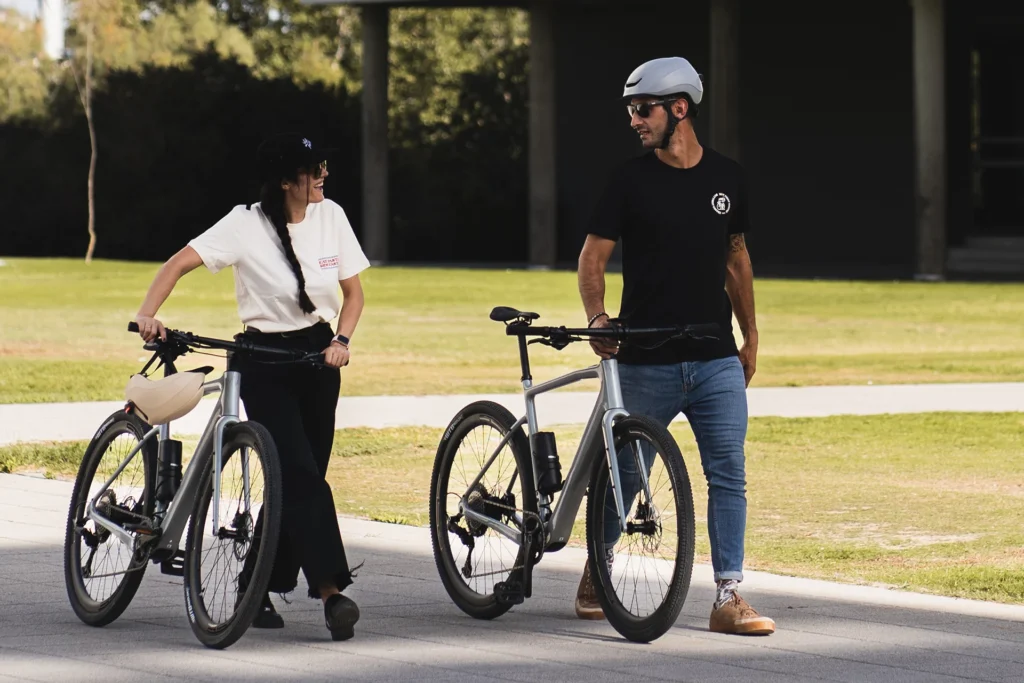
Disadvantages of Internal eBike Batteries
Charging May Be Less Convenient
One of the most common drawbacks of some integrated battery systems is charging accessibility.
When the battery is not removable, the entire bicycle must be brought close to a power outlet.
Depending on where the bike is stored, this may be more or less practical, particularly for riders living in apartments or buildings with limited charging access.
More Complex Maintenance
Integrated systems require frames specifically designed to house the battery.
As a result, certain maintenance and replacement procedures may involve more time and specialised technical expertise compared to external battery systems.
Although such interventions are typically infrequent, they are worth considering over the lifetime of the bike.
Higher Development Costs
Developing a fully integrated battery platform requires greater investment in design and engineering.
Manufacturers must create dedicated frame structures, validate system integrity and optimise integration across all electrical components. This level of sophistication can increase overall product costs.
Advantages of External eBike Batteries.
Easier Charging
Convenience remains the biggest advantage of external batteries.
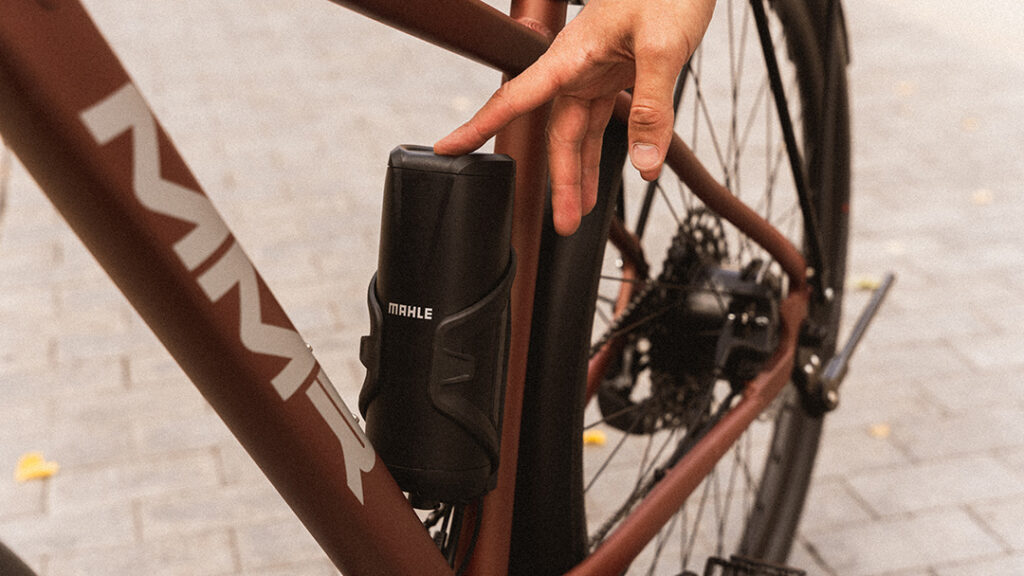
In most cases, they can be removed within seconds and charged using any standard household socket without moving the bicycle itself.
This is particularly valuable for urban riders who store their bike in communal garages, storage rooms or shared facilities.
Simpler Replacement
The accessibility of external batteries makes replacement considerably easier.
As battery performance naturally declines over time, replacing an external battery is often faster and more straightforward than replacing some integrated systems.
This can help reduce labour costs and maintenance downtime.
Larger Capacity Options
External battery designs can often accommodate larger battery capacities without requiring major modifications to the bicycle frame.
For this reason, they are frequently used on cargo bikes, long-distance touring bikes and applications where maximum range is a primary objective.
Greater Flexibility for Certain Applications
Because they do not require complex frame integration, external batteries offer considerable flexibility across different bike categories.
This makes them particularly suitable for urban mobility and utility-oriented applications where practicality and accessibility are key priorities.
Disadvantages of External eBike Batteries
Less Integrated Appearance
The visibility of the battery is widely considered the biggest drawback of this configuration.
Although modern external battery systems are significantly more refined than earlier designs, they still create a bulkier appearance compared to batteries integrated into the frame.
Potential Impact on Handling
Depending on its position, an external battery may influence the bike’s balance and riding characteristics.
When significant weight is located too high or too far towards the rear of the bicycle, handling can be affected, particularly during cornering or descending.
The extent of this impact depends on the specific bike design and battery placement.
Greater Exposure to External Elements
Because they remain visible, external batteries are more exposed to dirt, impacts and weather conditions.
While manufacturers employ robust housings and advanced protection systems, exposure remains higher than with an integrated battery.
Increased Theft Risk
External batteries are easier to identify and access.
Despite the locking mechanisms available on most systems, they generally remain more vulnerable than fully integrated battery solutions.
How Does Battery Placement Affect the Riding Experience?
Battery position influences much more than the appearance of an eBike.
As one of the heaviest components within the system, its location directly impacts handling, stability, responsiveness and overall ride quality.
| Factor | Influence |
|---|---|
| Handling | Determines stability and cornering behaviour |
| Balance | Influences weight distribution |
| Comfort | Affects overall ride feel |
| Portability | Impacts transport and carrying |
| Integration | Defines visual appearance |
| Efficiency | Contributes to aerodynamic performance |
Why Are Internal Batteries So Popular in Lightweight eBikes?
The rapid growth of the lightweight eBike segment has accelerated the adoption of integrated batteries. Riders increasingly seek bicycles that preserve natural handling characteristics, maintain low overall weight and deliver a riding experience similar to that of a traditional bicycle. For many users, the goal is no longer to have the largest battery possible, but to achieve the right balance between assistance, range and ride quality.
This philosophy closely aligns with the approach taken by MAHLE SmartBike Systems. Both the X20 System and the X30 System feature internally integrated batteries that help optimise weight distribution, improve visual integration and preserve the agility of the bicycle. This architecture is particularly valued in road, gravel and premium urban eBikes, where riding dynamics and aesthetics play an important role.
However, not every eBike is designed for the same purpose. In certain urban applications, accessibility and practicality may be more important than complete integration. For this reason, the XS System uses an external battery, providing convenient charging access and straightforward day-to-day usability.
This reflects a fundamental reality of eBike design: there is no universally superior solution. The decision between an internal or external battery should be driven by the intended use of the bike and the expectations of the rider. While internal batteries are often the preferred solution for lightweight performance-focused eBikes, external batteries continue to deliver clear advantages in terms of convenience and accessibility for many urban riders.
How MAHLE Approaches Battery Integration Across Its Different Systems
Battery placement is a strategic decision in eBike development. Beyond aesthetics, it influences weight distribution, ease of use, component integration and the overall riding experience. Different bicycle categories therefore require different solutions.
Within the MAHLE SmartBike Systems portfolio, both approaches coexist. The X20 System and X30 System have been designed around integrated internal batteries, a configuration aligned with the requirements of lightweight road, gravel and premium urban eBikes. By integrating the battery within the frame, bike brands can create bicycles with cleaner designs and more balanced riding characteristics.
The XS System takes a different approach by using an external battery. This configuration addresses the needs of many urban riders who value simple charging, easy accessibility and everyday practicality. In these applications, quick battery access can be just as important as seamless integration.
The coexistence of these solutions within the MAHLE portfolio demonstrates that battery placement should always be linked to the intended purpose of the bicycle. Internal batteries offer clear benefits in terms of integration and ride dynamics, while external batteries remain highly relevant where convenience and accessibility are priorities.
y aligns with the approach taken by MAHLE SmartBike Systems. Both the X20 System and the X30 System feature internally integrated batteries that help optimise weight distribution, improve visual integration and preserve the agility of the bicycle. This architecture is particularly valued in road, gravel and premium urban eBikes, where riding dynamics and aesthetics play an important role.
However, not every eBike is designed for the same purpose. In certain urban applications, accessibility and practicality may be more important than complete integration. For this reason, the XS System uses an external battery, providing convenient charging access and straightforward day-to-day usability.
This reflects a fundamental reality of eBike design: there is no universally superior solution. The decision between an internal or external battery should be driven by the intended use of the bike and the expectations of the rider. While internal batteries are often the preferred solution for lightweight performance-focused eBikes, external batteries continue to deliver clear advantages in terms of convenience and accessibility for many urban riders.
Frequently Asked Questions About eBikes
1. Is an internal battery better than an external battery?
Not necessarily. Internal batteries offer advantages in terms of integration, aesthetics and riding dynamics, while external batteries excel in accessibility, charging convenience and serviceability.
2. Do internal batteries provide more range?
No. Range primarily depends on battery capacity, system efficiency, terrain, rider weight and assistance level rather than battery placement.
3. Are internal batteries removable?
It depends on the design. Some internal batteries can be removed for charging and servicing, while others remain permanently integrated into the frame.
4. Which battery type is more secure against theft?
Internal batteries are generally more secure because they are hidden from view and often require specific tools or procedures for removal.
5. Why do premium eBikes use internal batteries?
Because they support cleaner integration, optimised weight distribution and a more refined riding experience.
6. Are external batteries becoming obsolete?
No. They remain a highly practical solution for urban, cargo and utility applications where accessibility and ease of use are key considerations.
7. Are internal batteries better for lightweight eBikes?
In many cases, yes. Battery integration helps optimise weight distribution and preserve the dynamic riding characteristics that define lightweight eBikes equipped with systems such as the X20 System and X30 System.
Conclusion
The choice between an internal battery and an external battery involves far more than appearance alone. Battery placement directly influences ride quality, weight distribution, maintenance requirements, security and everyday convenience.
External batteries remain an excellent solution for riders who prioritise accessibility, simple charging and maximum practicality in urban and utility applications. Meanwhile, internal batteries have become the preferred option for many modern lightweight eBikes thanks to their superior integration, balanced handling and refined riding characteristics.
As demonstrated by the MAHLE SmartBike Systems portfolio, there is no single solution that fits every bicycle. While the X20 System and X30 System leverage the benefits of internal battery integration to deliver a lightweight and natural riding experience, the XS System uses an external battery to maximise practicality in urban environments.
Ultimately, the best choice is the one that most effectively matches the rider’s needs and the intended purpose of the eBike.
Playing this video loads content from YouTube, which may set cookies. Privacy policy
Playing this video loads content from YouTube, which may set cookies. Privacy policy