Why Do Some eBikes Feel More Natural Than Others?
One of the first things riders notice when comparing eBikes is that they do not all feel the same.
Some deliver smooth, intuitive assistance that feels closely connected to every pedal stroke. Others provide more noticeable support, prioritising power and assistance over a traditional cycling sensation.
This difference is rarely explained by a single specification. Riders are not experiencing eBike torque, motor power or battery capacity in isolation. Instead, what they feel is the result of how the entire system reacts to rider input and adapts to changing riding conditions.
Motor architecture, sensor technology, power delivery and overall system weight all influence the riding experience, helping explain why two eBikes with similar specifications can feel completely different on the road.
The importance of these factors can be seen in real world testing. During recent MAHLE M40 test sessions at Messingschlager in Germany, industry partners and specialised media evaluated how system behaviour, responsiveness and control influence the riding experience across climbs, technical sections and mixed terrain. The feedback reinforced a key point: riders notice how assistance is delivered far more than they notice individual specifications on a product sheet.
What Riders Actually Feel
When riders describe an eBike as natural, they are rarely talking about numbers.
They actually notice :
- How quickly assistance responds
- How smoothly support is delivered
- How predictable the bike feels
- How the bike reacts on climbs
- How closely assistance follows rider effort
In practice, ride feel is determined by responsiveness rather than peak output.
This is why two systems with similar power and torque figures can create very different riding experiences.
The Role of the eBike Motor
The eBike motor sits at the centre of the riding experience, but motor output alone does not determine how a bike feels.
Different eBike motor types influence how assistance is generated, delivered and perceived by the rider.
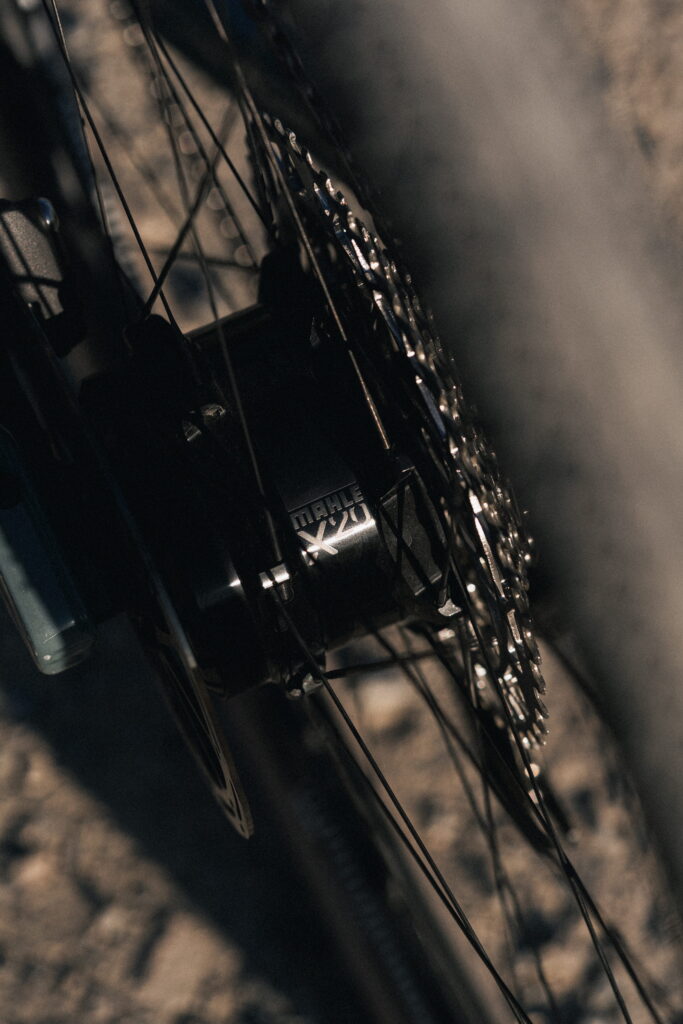
Hub Drive Systems
Hub motors deliver power directly to the wheel.
This architecture creates a highly integrated system with fewer mechanical variables involved, allowing assistance to feel smooth and predictable while maintaining a closer connection to traditional bike handling.
This approach has become increasingly popular in road, gravel and urban eBikes, where weight, efficiency and ride quality are often prioritised alongside assistance.
Systems such as the MAHLE X30, delivering 45 Nm, and the MAHLE X20, offering up to 65 Nm of torque, have been developed around this philosophy. Rather than maximising output, the focus is on balancing assistance, responsiveness and efficiency in a lightweight integrated package.
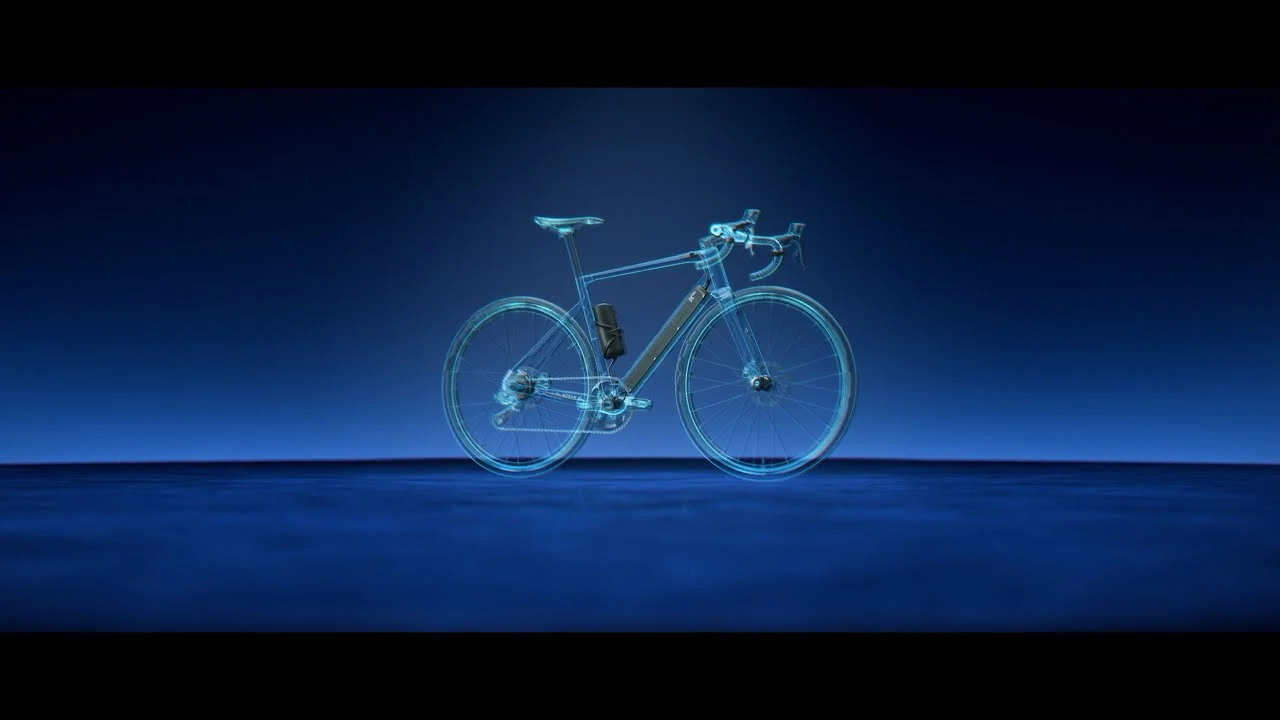
The MAHLE XS System extends this concept even further. By removing the internal battery and relying on the external eX1 battery, the XS combines X20 or X30 rear hub motors with a minimal component architecture designed to reduce weight, simplify integration and preserve a natural riding experience.
Mid-Drive Systems
In the hub motor vs mid-drive discussion, mid-drive systems take a very different approach.
Assistance is delivered through the drivetrain, allowing the motor to work alongside the bike’s gearing. This configuration is commonly used where higher torque and stronger support are required.
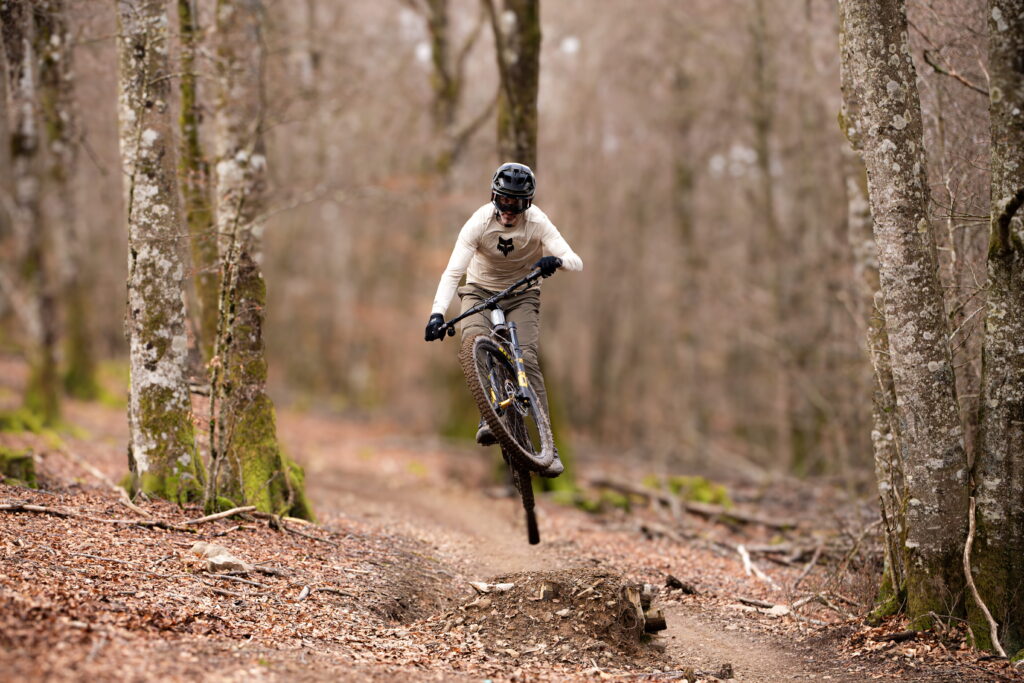
The MAHLE M40 represents this category, delivering up to 105 Nm of torque and up to 850W peak power for demanding off road riding where sustained support and climbing capability become priorities.
Neither architecture is inherently better. Each is designed around different riding requirements and rider expectations.
Power vs Torque: What Riders Really Notice
Power and torque are often discussed together, but they influence different aspects of the ride.
Power defines the overall capability of the system.
Torque defines how that capability is delivered.
In practical terms, torque affects:
- Acceleration
- Low-speed responsiveness
- Climbing behaviour
- Support under load
What riders actually experience is not the torque figure itself, but how efficiently that torque is translated into forward motion. This is why two systems with similar torque values can feel completely different depending on motor tuning, sensor accuracy and overall system integration.
This can be seen across the MAHLE portfolio itself. The XS, X30, X20 and M40 all provide different levels of support and system configurations, but each has been designed around a specific riding objective rather than a simple progression of “more is better”. The focus is on providing the appropriate assistance for the intended riding application.
How Sensors Influence Ride Feel
A motor can only react effectively if it understands what the rider is doing.
This is where sensor technology becomes critical.
Cadence Sensors
A cadence sensor measures pedal rotation.
Assistance is activated when the rider begins pedalling, regardless of how much force is being applied.
Torque Sensors
A torque sensor measures rider effort directly.
Because assistance is linked to pedal force, support can be adjusted continuously and proportionally as conditions change. This often results in a smoother and more connected riding experience.
The difference between torque sensor vs cadence sensor technologies helps explain why some eBikes feel significantly more natural than others, even when both deliver similar power levels.
Why Weight Changes Everything
Weight is one of the most overlooked factors affecting ride feel.
Every kilogram influences:
- Handling
- Acceleration
- Climbing efficiency
- Energy consumption
- Responsiveness
A lighter bike requires less assistance to achieve the same result, which is one reason lightweight systems continue to gain popularity among road and gravel riders.
This principle is central to platforms such as the MAHLE X20 and X30, where support and system weight are designed to work together rather than being treated as separate objectives.
The same philosophy is reflected in the MAHLE XS System. By eliminating the internal battery and using only the external eX1 battery, the system reduces complexity and weight while maintaining the responsive assistance characteristics of the X20 and X30 drive units.

Lightweight vs Full-Power eBikes
One of the biggest developments in the market is the emergence of two distinct approaches to assistance.
Lightweight eBikes
Lightweight systems prioritise:
- Agility
- Efficiency
- Natural ride feel
- Lower system weight
The objective is not maximum assistance, but delivering the support riders actually need while preserving the feeling of riding a bicycle.
This philosophy defines systems such as the MAHLE XS, X30 and X20, which have been developed around lightweight integration and responsive assistance for road, gravel and urban riding. The XS takes this approach even further by removing the internal battery entirely, creating an ultra light and highly adaptable system built around simplicity, efficiency and natural support.
Full-Power eBikes
Full-power systems prioritise:
- Higher torque
- Strong climbing support
- Technical riding capability
- Maximum assistance
The MAHLE M40 illustrates how modern full-power solutions combine high torque levels, advanced sensing technology and intelligent assistance management to support demanding mountain bike applications.
Neither approach is inherently better.
Some riders prioritise agility and efficiency. Others prioritise maximum support and climbing performance. The ideal solution depends on how and where the bike will be ridden.
System Integration Matters More Than Specifications
When riders describe an eBike as feeling natural, they are rarely responding to a single specification.
Instead, they are experiencing the combined effect of:
- Motor architecture
- Torque delivery
- Sensor precision
- Weight optimisation
- Assistance tuning
The most refined systems are those where these elements work together seamlessly.
This is why modern eBike development increasingly focuses on system integration rather than simply increasing power or torque figures.
Finding the Right Balance
The best eBike is not necessarily the one with the highest power output or the largest torque figure.
For some riders, a lightweight system that preserves the handling and responsiveness of a traditional bicycle will offer the ideal experience.
For others, full-power assistance and maximum climbing capability will be more valuable.
This diversity of riding experiences can be seen across the MAHLE range itself. From the lightweight XS, X30 and X20 platforms to the full-power M40 , each system reflects a different approach to how assistance should be delivered. The goal is not simply more power, but providing support that feels appropriate, predictable and enjoyable for the rider.
The XS demonstrates how minimal system architecture can support natural riding experiences, while the M40 highlights how full-power assistance can still deliver predictable handling and controlled support when system integration is prioritised.
FAQs
Are all eBike motors the same?
No. Different eBike motor types use different motor architectures, sensor technologies and assistance strategies. These elements influence responsiveness, power delivery and overall ride feel.
What are the biggest problems with eBikes?
Common issues include battery degradation, sensor calibration problems, software-related faults and drivetrain wear. Regular maintenance helps reduce these issues and maintain consistent performance.
How to tell if an eBike motor is bad?
Typical signs include inconsistent assistance, unusual noises, delayed motor response, reduced support levels or error messages. If these occur, the system should be inspected by an authorised service technician.
Why do some eBikes feel more natural than others?
Natural ride feel depends on how effectively motor design, torque delivery, sensors, software and weight work together. Well-integrated systems respond smoothly and predictably to rider input rather than simply delivering more power.
What is more important: eBike power or torque?
Both matter, but they influence different aspects of the ride. Power defines overall capability, while torque determines how assistance is delivered, particularly during acceleration and climbing.