Why Lightweight Gravel eBikes Are Transforming Riding
Gravel riding has become one of the most exciting segments in modern cycling.
What started as a niche discipline has evolved into a global movement that attracts road cyclists, endurance riders, bikepacking enthusiasts and adventure seekers looking to explore beyond paved roads.
As the discipline has grown, rider expectations have evolved as well. Today’s gravel riders want versatility, comfort and performance across a wide variety of terrain. They want to tackle long climbs, cover greater distances and discover new routes without sacrificing the riding experience that makes cycling enjoyable.
This evolution has created the perfect environment for lightweight gravel eBikes.
Unlike traditional eBikes, which often prioritise maximum power and large battery capacities, lightweight systems focus on preserving the essential characteristics of a bicycle. They provide assistance when needed while maintaining responsive handling, efficient climbing and a natural ride feel.
For many riders, especially those coming from road cycling, this balance is changing perceptions of what an eBike can be.
Rather than replacing the cycling experience, lightweight assistance enhances it. Riders still do the work, but they gain more opportunities to ride further, explore more terrain and enjoy every kilometre.
What Is a Lightweight Gravel eBike?
A lightweight gravel eBike is designed to offer electric assistance without significantly changing the character of the bike.
While many traditional eBikes weigh between 20 and 28 kg, lightweight gravel eBikes typically fall within the 11 to 15 kg range. This difference has a direct impact on the way the bicycle accelerates, climbs and handles on mixed terrain.
The goal is not to create overwhelming power.
Instead, lightweight systems are engineered to support the rider naturally. Assistance complements the rider’s input, helping when gradients increase, fatigue begins to build or strong headwinds appear.
This approach appeals to cyclists who still want to enjoy the physical side of riding.
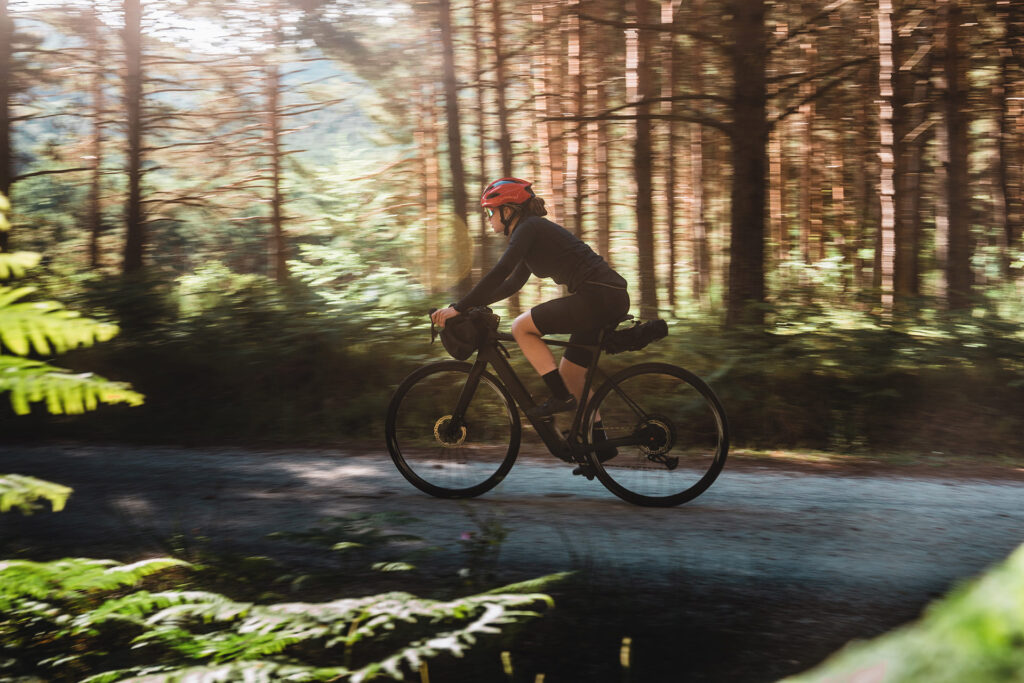
For many riders, the most impressive characteristic of a lightweight gravel eBike is how familiar it feels. The bike remains agile, responsive and engaging, both on gravel roads and on tarmac.
Typical weight ranges, on a scale from 0 to 30 kg.
Why Weight Matters More on Gravel
Weight influences performance in every cycling discipline, but its impact becomes even more noticeable when riding gravel.
Unlike smooth roads, gravel routes constantly change. Riders encounter loose surfaces, rough tracks, steep climbs and technical descents, often within the same ride.
On these surfaces, excess weight affects both efficiency and confidence.
When climbing on gravel, maintaining momentum is critical. A lighter bicycle requires less effort to keep moving and allows riders to manage their energy more effectively over long distances.
The advantages continue on descents.
A lighter bike reacts more quickly to steering inputs and allows riders to adjust their line with greater precision. This is particularly valuable when descending on loose terrain where conditions can change rapidly.
These characteristics explain why many gravel riders prioritise low weight when choosing a bike.
Electric assistance can be extremely beneficial, but only if it does not come at the expense of handling. Lightweight systems help riders enjoy the benefits of assistance while preserving the dynamic feel that makes gravel riding so rewarding.
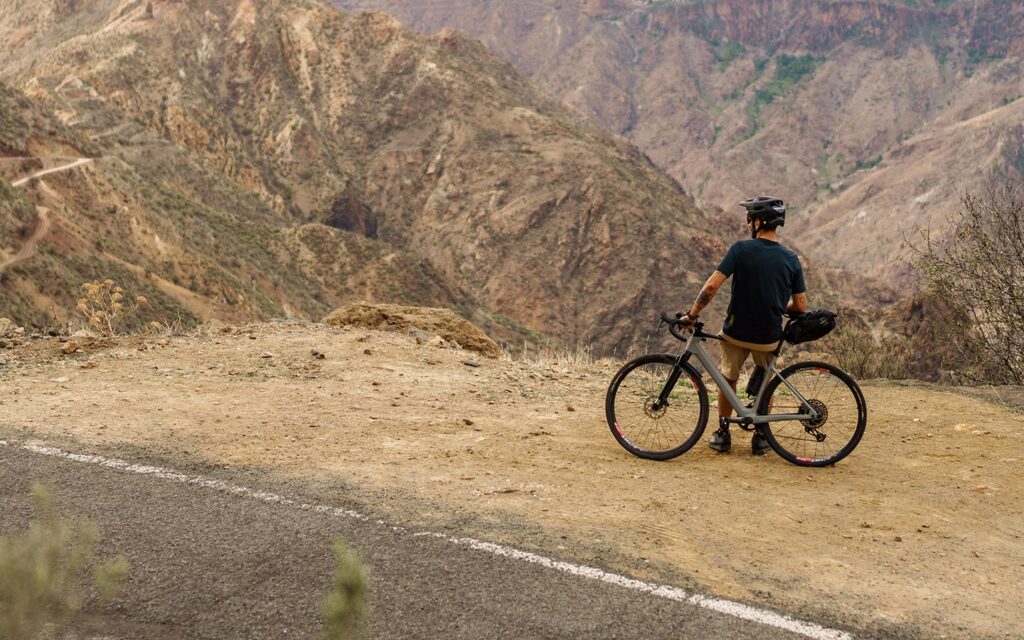
Climbs, loose tracks and technical descents often share the same ride.
The Natural Riding Experience Riders Want
One of the strongest trends in today’s eBike market is the demand for a more natural riding experience.
Performance-minded cyclists do not necessarily want maximum power. They want assistance that feels smooth, predictable and intuitive.
This is particularly important in gravel cycling.
The discipline is built around exploration, endurance and rider engagement. Much of the enjoyment comes from the direct connection between rider, bike and terrain.
A lightweight gravel eBike should feel like a bicycle first and an eBike second.
The best systems deliver assistance in a way that feels almost invisible. Riders remain in control of their effort, pace and riding style while receiving support exactly when they need it.
For experienced cyclists, this is often the difference between embracing electric assistance and rejecting it.
Instead of feeling disconnected from the ride, they gain confidence to extend their routes, explore new terrain and take on bigger challenges.

Why Road Cyclists Are Embracing Gravel eBikes
Many road cyclists are discovering the benefits of gravel riding.
Gravel routes offer freedom from traffic, access to remote landscapes and the opportunity to explore roads that conventional road bikes cannot reach.
However, many road riders are reluctant to move towards heavier eBikes because they enjoy the efficiency and responsiveness of lightweight bicycles.
This is where lightweight gravel eBikes stand out.
Their lower weight and balanced assistance create a ride feel that remains familiar to riders coming from the road cycling world.
Long climbs become more manageable without feeling effortless. Endurance rides become more achievable without removing the physical challenge. Riders can explore further while maintaining the sensation of actively powering the bike.
For cyclists managing recovery, returning after injury or simply looking to extend their riding opportunities, lightweight assistance offers a practical and appealing solution.
Weight and range: efficiency over battery size
A lighter bike needs less energy to move, so it doesn’t have to carry as much battery.
Extending Adventures Without Compromising Performance
One of the biggest benefits of a lightweight gravel eBike is the ability to expand what is possible during a ride.
Riders can comfortably tackle longer distances and greater elevation gain without dramatically increasing fatigue.
This does not mean turning every ride into an easy ride.
Instead, assistance helps riders maintain a consistent pace, particularly on demanding sections where energy expenditure would otherwise increase significantly.
For bikepacking enthusiasts, this can be especially valuable.
Multi-day adventures often involve long climbs, changing weather conditions and additional luggage. A lightweight eBike allows riders to manage these challenges more effectively while maintaining the handling characteristics that gravel riding demands.
The result is a broader range of possible adventures and greater confidence when planning ambitious routes.
Who benefits most from lightweight gravel eBikes
Riders still do the work; they just gain more opportunities to ride further.
A familiar, responsive ride feel with access to roads free from traffic.
Longer distances and bigger days out, without removing the physical challenge.
Long climbs, changing weather and extra luggage become easier to manage.
A practical way to keep riding when returning after injury or managing recovery.
How Lightweight Technology Is Shaping Modern Gravel Bikes
The rise of lightweight eBike systems has significantly influenced modern bicycle design.
Many riders want electric assistance, but they also want a bike that looks and feels like a conventional gravel bike.
Manufacturers have responded by developing cleaner and more integrated designs.
Batteries are increasingly hidden within the frame. Motor systems are becoming smaller and lighter. Overall integration is improving year after year.
The result is a new generation of gravel eBikes that deliver assistance without sacrificing aesthetics or performance.
For many riders, this seamless integration is just as important as power output or battery capacity.

Why Brands Are Choosing Lightweight Systems
The growing popularity of lightweight gravel eBikes is influencing how brands approach product development.
Rather than focusing solely on maximum power, many manufacturers are prioritising ride quality, integration and efficiency.
This philosophy aligns closely with the needs of gravel riders.
Systems such as the MAHLE X20 System have helped drive this trend by demonstrating how lightweight assistance can enhance the riding experience without compromising handling.
Designed around a lightweight architecture, the X20 System combines a compact rear hub motor with intelligent power delivery and highly integrated battery solutions.
For gravel applications, this approach offers clear advantages.
The bike remains responsive, easy to handle and visually sleek, while still providing meaningful assistance on demanding terrain.
It is no surprise that an increasing number of premium gravel and all-road bikes are being developed around lightweight system concepts.
Lightweight vs Full-Power Gravel eBikes
Both categories serve different rider needs.
For many gravel riders, the priority is not having the most powerful motor.
Instead, it is enjoying a bike that feels lively, efficient and capable across a variety of terrain.
This is one of the primary reasons why the lightweight gravel eBike segment continues to grow.
The Future of Gravel eBikes
The future of gravel cycling is increasingly connected to lightweight electric assistance.
Advances in batteries, motor efficiency and software integration continue to make lightweight systems more capable while reducing overall weight.
At the same time, riders are seeking greater versatility.
They want a bike that can handle endurance rides, weekend adventures, daily training and mixed-surface exploration throughout the year.
Lightweight gravel eBikes answer these demands exceptionally well.
They provide support when required without fundamentally changing the riding experience.
As technology continues to evolve, the distinction between traditional bicycles and lightweight eBikes will become increasingly subtle.
For many riders, that balance represents the future of performance cycling.
Frequently Asked Questions
What is considered a lightweight gravel eBike?
A lightweight gravel eBike typically weighs between 11 and 15 kg. The exact weight depends on the frame material, battery capacity and drive system integration.
Are lightweight gravel eBikes worth it?
For many riders, yes. They offer a more natural ride feel, improved handling and greater versatility while still providing the benefits of electric assistance.
Can a lightweight gravel eBike replace a road bike?
For many cyclists it can. Modern gravel eBikes combine efficient road performance with the ability to explore unpaved terrain, making them highly versatile machines.
How far can a lightweight gravel eBike travel on a single charge?
Range varies depending on rider weight, terrain, weather conditions and assistance level. Under favourable conditions, distances above 100 km are achievable on many modern systems.
Is a rear hub motor good for gravel riding?
Yes. Rear hub motors can deliver smooth assistance, maintain natural pedalling characteristics and contribute to lower overall bike weight.
Why is weight important on a gravel eBike?
Weight affects climbing efficiency, handling, acceleration and battery consumption. Reduced weight generally creates a more responsive and enjoyable riding experience.
What makes the MAHLE X20 System suitable for gravel riding?
The MAHLE X20 System was designed around lightweight performance. Its compact motor, efficient power delivery and integrated design help create gravel bikes that remain agile, efficient and enjoyable across varied terrain.
Discover eBikes powered by MAHLE
The rise of the lightweight gravel eBike reflects a broader evolution in cycling.
Riders are no longer looking solely for more power. They are looking for better riding experiences.
By combining the versatility of gravel riding with efficient and discreet electric assistance, lightweight systems enable cyclists to ride further, climb more confidently and explore more ambitious routes without sacrificing the characteristics that make cycling enjoyable.
For road riders entering the gravel world, endurance cyclists seeking longer adventures and riders looking to extend their capabilities, lightweight gravel eBikes offer a compelling balance of performance and support.
As the category continues to mature, lightweight assistance is set to play an increasingly important role in the future of gravel riding.
Explore how the MAHLE X20 System enables lightweight gravel eBikes that combine natural riding dynamics, efficient assistance and seamless integration for every adventure.