eBike for Beginners: Everything You Need to Know
What Is an eBike and How Does It Work?
Beginners guide to eBikes searches usually come from riders who are interested in electric assistance but are not yet sure what really matters: motor type, battery size, range, weight, comfort, maintenance, regulations or price. The eBike market can look complex from the outside, especially because electric road bikes, eGravel bikes, eUrban bikes, trekking eBikes and heavier utility models can all use very different technologies.
At its simplest, an eBike is a bicycle with an electric drive system that adds pedal assistance while you ride. The motor does not replace the rider. It supports your own effort, making climbs more manageable, longer distances more realistic and everyday riding more accessible.
For beginners, the most important lesson is that not all eBikes feel the same. Some are built for maximum assistance, others for cargo capacity, and others for a lighter, more natural ride. This is where system design matters. A lightweight, well-integrated eBike system can make an electric bike feel closer to a conventional bicycle while still giving support when it is needed.
This guide explains the key concepts clearly, from motors and batteries to range, sensors, weight, safety and future trends. It is designed to help new riders, brands and dealers understand what defines a good eBike experience.
A beginners guide to eBikes is a practical introduction to electrically assisted bicycles, explaining how they work, what components define their performance and how to choose the right model for different riding needs.
An eBike, also known as an electric bike or pedal-assist bike, combines a conventional bicycle frame with an electric drive system. That system usually include :
- A motor
- A battery
- A control unit
- Sensors
- A display or head unit (optional)
- Wiring or integrated communication components
- Software that manages assistance delivery
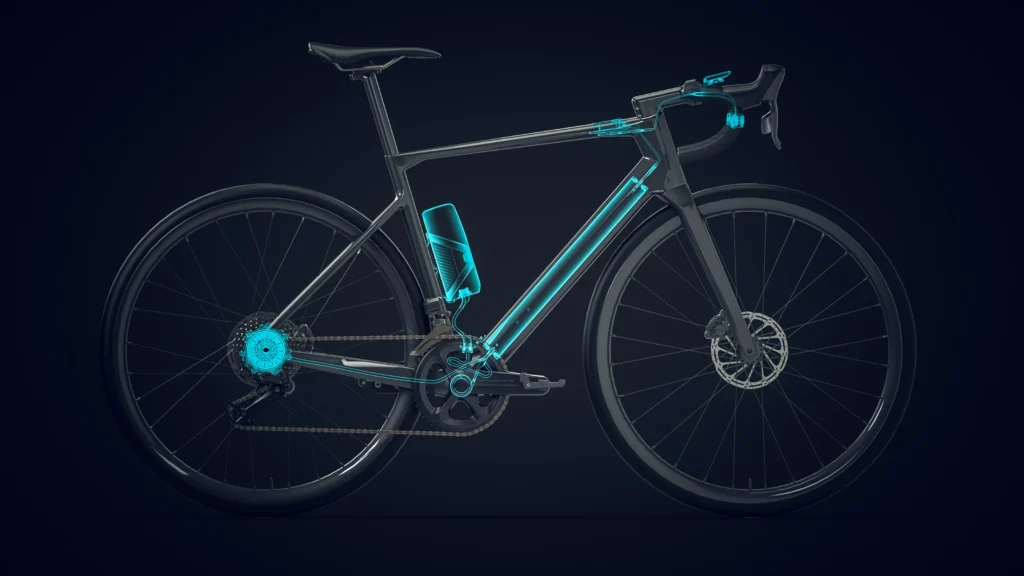
An eBike, also known as an electric bike or pedal-assist bike, combines a conventional bicycle frame with an electric drive system. That system usually includes a motor, battery, control unit, sensors, display or head unit, wiring or integrated communication components, and software that manages assistance delivery.
eBike regulations vary depending on the market, so beginners should understand that assisted speed, motor power and throttle rules are not the same everywhere. The table below gives a simple overview of the main differences.
| Market | What beginners need to know |
|---|---|
| Europe | Assistance usually stops at 25 km/h, with motors rated up to 250 W. |
| United States | Many eBikes use a 750 W limit. Class 1 and Class 2 eBikes assist up to 20 mph, while Class 3 can assist up to 28 mph. |
| Australia | Rules vary, but many eBikes follow a 25 km/h pedal-assist limit. |
| Japan | Assistance must require pedalling and stop above 24 km/h. |
Because eBike rules vary by country, state or territory, beginners should always check local regulations before buying, modifying or riding an eBike on public roads.
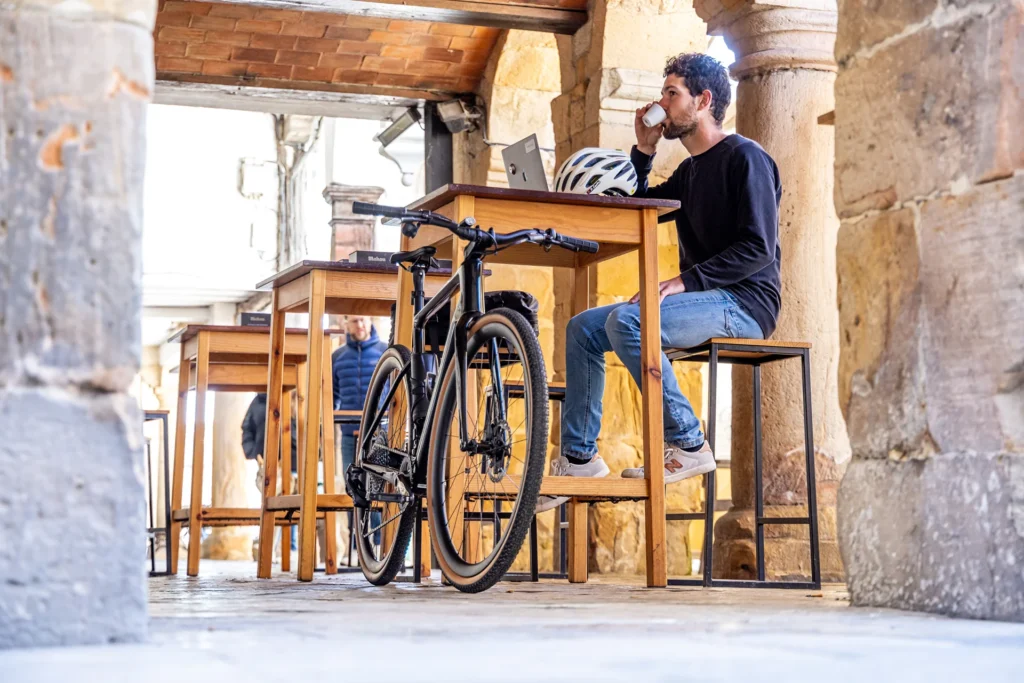
From a rider’s perspective, the benefit is simple: an eBike helps you ride further, climb more comfortably and maintain a steadier pace with less physical strain.
Why Are eBikes Becoming So Popular?
Understanding eBikes matters because the category has become highly diverse. A beginner who only compares price and battery capacity may miss more important factors, such as how the motor delivers support, where the weight sits, how easy the rear wheel is to remove, whether the system can be updated and how natural the bike feels when riding above the assistance limit.
For riders, the right eBike can remove barriers. Hills become less intimidating. Longer routes become more realistic. Mixed fitness levels in group rides become easier to manage. Commuting can become more consistent because headwinds, gradients and fatigue have less impact on the journey.
For brands, eBike system selection directly affects product identity. A lightweight eRoad bike with a compact rear-hub drive delivers a very different experience from a heavy full-power trekking eBike. The choice of motor, battery, sensors and software influences frame design, geometry, target price and customer expectations.
For dealers, education is essential. Many first-time buyers ask simple questions, but the answers require technical clarity. “How far does it go?” depends on rider weight, terrain, tyre choice, assistance mode, battery capacity, air temperature and riding style. “Is it powerful?” depends not only on torque figures, but also on how smoothly and intelligently assistance is delivered.
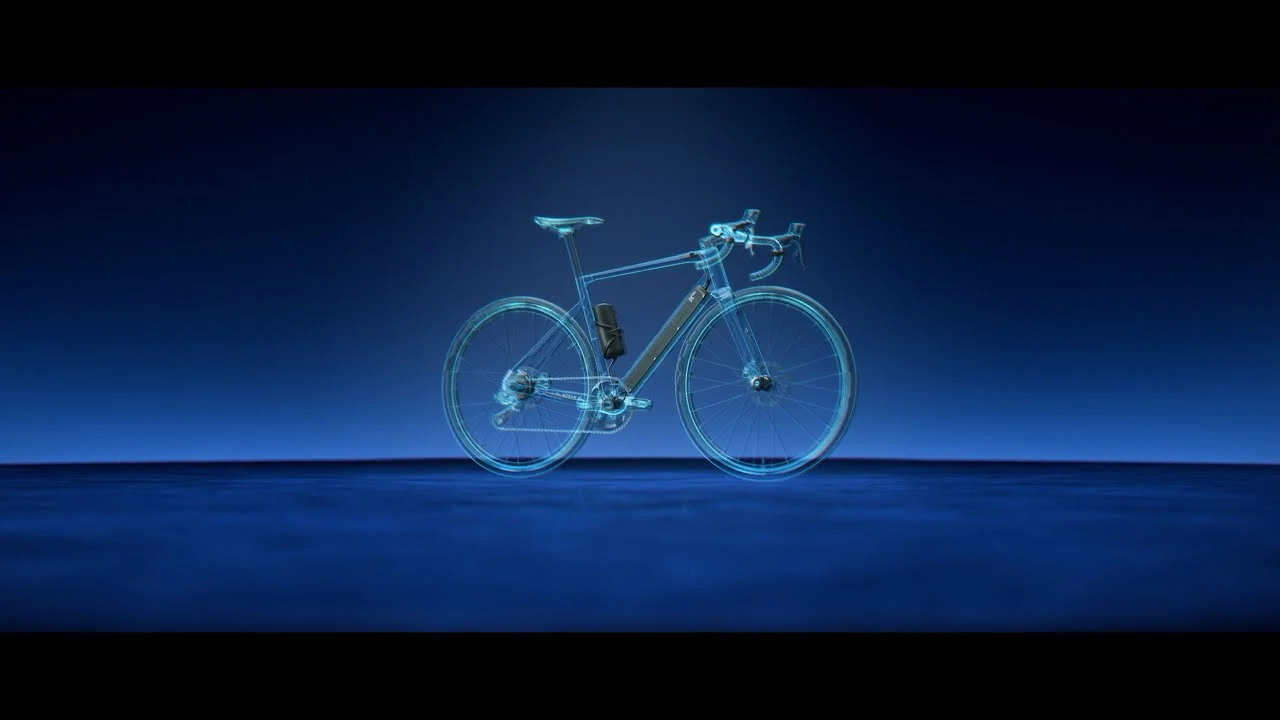
For modern eBikes, the conversation is moving beyond raw power. Weight, integration, efficiency and ride quality are now central. Lightweight eBike systems, such as those developed by MAHLE SmartBike Systems, show how compact motors, integrated batteries and smart assistance can support riders without changing the fundamental character of the bike. The MAHLE X20 System, for example, is described by MAHLE as a premium lightweight system of approximately 3 kg total system weight, including drive unit, internal battery and head unit.
This matters because beginners often assume that more motor and more battery automatically mean a better eBike. In reality, the best eBike is the one that matches the rider’s use case with the right balance of assistance, weight, range, handling and reliability.
What Should You Consider Before Buying an eBike?
An eBike makes riding more accessible without removing the rider’s effort.
For beginners, the biggest advantage is confidence. Electric assistance helps reduce the physical peaks that make riding difficult: steep climbs, strong headwinds, repeated stop-start traffic and longer distances. Instead of avoiding routes with hills or limiting rides to short distances, new riders can plan more freely.
A practical example is a commuter who lives 12 km from work and has a climb near the end of the route. On a conventional bike, that climb may be enough to make daily riding unattractive. On an eBike, assistance can make the route sustainable throughout the week.
For recreational riders, the benefit is similar. An eBike does not need to turn every ride into an easy ride. It can simply make effort more manageable. Riders can still train, increase endurance and choose lower assistance modes when they want more physical input.
Lightweight systems are especially relevant here because they preserve much of the handling and character of a conventional bicycle. A lighter eBike is easier to move, easier to store and often more enjoyable when assistance is low or switched off.
An eBike can extend practical range for everyday and leisure riding.
Range is one of the first topics beginners ask about, but it is often misunderstood. Battery capacity, measured in watt-hours, gives a useful indication of stored energy, but real-world range depends on many variables. Terrain, rider weight, tyre pressure, wind, temperature, surface type and assistance level all influence consumption.
For example, a rider using maximum assistance on steep gravel climbs will use more energy than a rider using low assistance on smooth urban roads. A road eBike with efficient tyres and a lightweight system may achieve a very different ride distance from a heavier utility eBike with wide tyres and frequent stops.
Modern eBike systems help manage this through efficient motors, intelligent assistance modes and accurate battery information. MAHLE’s X20 System can be configured with 236 Wh or 350 Wh internal batteries and can be complemented with a 171 Wh External Battery eX1, depending on the bike setup and intended use.
For beginners, the key is to think in terms of expected rides, not headline range. If most rides are 20 to 50 km, a compact internal battery may be enough. If longer weekend rides are common, compatibility with an External Battery can add flexibility without forcing every ride to carry unnecessary weight.
An eBike can make climbing and varied terrain more enjoyable.
Climbing is where many beginners first understand the value of electric assistance. The motor helps reduce the effort required to overcome gravity, allowing the rider to maintain cadence and rhythm instead of grinding at low speed.
This is especially useful for eRoad and eGravel bikes. On road climbs, assistance can help riders stay with a group or complete routes that would otherwise feel too demanding. On gravel, assistance can help maintain momentum over rough surfaces, loose gradients and rolling terrain.
The quality of assistance matters. A good eBike should respond smoothly to the rider’s input. If power arrives too abruptly, the ride can feel unnatural. If it arrives too slowly, the bike may feel unresponsive. Sensor technology is important because it helps the system understand how the rider is pedalling.
Torque sensors measure rider effort, while cadence sensors detect pedalling movement. Some systems combine sensor data with software to adjust assistance more precisely. MAHLE describes the X20 System as using torque and cadence sensing in the bottom bracket, with adaptive control designed to match motor support to rider effort and conditions.
For beginners, this means choosing an eBike is not just about how much support it offers. It is also about how naturally that support appears during real riding.
An eBike can replace short car journeys and improve daily mobility.
Urban riders often choose eBikes for practical reasons rather than sport. An eBike can make commuting, shopping, school runs and cross-town journeys more predictable. In traffic-heavy areas, the door-to-door time of an eBike can be competitive with a car, especially when parking is difficult.
Beginners should consider the full mobility package. For urban riding, important features may include mudguards, lights, a rack, puncture-resistant tyres, a comfortable position and reliable braking. A lightweight eUrban eBike can be particularly practical for riders who need to carry the bike upstairs, lift it onto a storage rack or combine it with public transport.
Dealers can add value by asking how the bike will be stored, whether charging will happen at home or work, and whether the rider needs to carry bags or children. These real-life details often matter more than technical specifications alone.
A lighter, integrated system also helps preserve usability. Heavy eBikes can be stable and capable, but they may be harder to manoeuvre in small flats, lifts or train stations. For many beginners, the best daily eBike is not the one with the largest battery. It is the one they are comfortable using every day.
An eBike can offer a more connected and customisable riding experience.
Modern eBikes increasingly include digital features such as companion apps, wireless displays, ride data, battery diagnostics, assistance tuning and firmware updates. These features are useful when they improve clarity rather than add complexity.
For beginners, simple information matters most: battery level, assistance mode, speed, estimated range and system alerts. More experienced riders may want deeper data, including ride analysis, health metrics, navigation integration or custom assistance profiles.
Connectivity also benefits brands and dealers. Software updates can improve performance, diagnostics can support servicing, and system data can help identify issues more efficiently. For example, MAHLE announced that X20 drive units would receive increased torque and peak power through updates while maintaining the light motor design, according to its newsroom release.
The important point is that smart technology should support the ride, not distract from it. A beginner-friendly eBike should be easy to operate from the first ride, with advanced settings available when the rider wants them.
A well-integrated display or head unit can help here. It gives essential information at a glance while keeping the cockpit clean. This is particularly valuable on performance-oriented eBikes where riders want support without clutter.
What Should You Consider Before Buying an eBike?
The main challenge for beginners is choosing the right eBike without being distracted by isolated specifications. Bigger numbers can be useful, but they do not always mean a better ride.
Battery capacity is a good example. A larger battery can increase potential range, but it also adds weight and cost. If a rider mostly does short rides, carrying extra battery capacity every day may not make sense. A lighter internal battery with the option to add an External Battery for longer rides can be a more flexible solution.
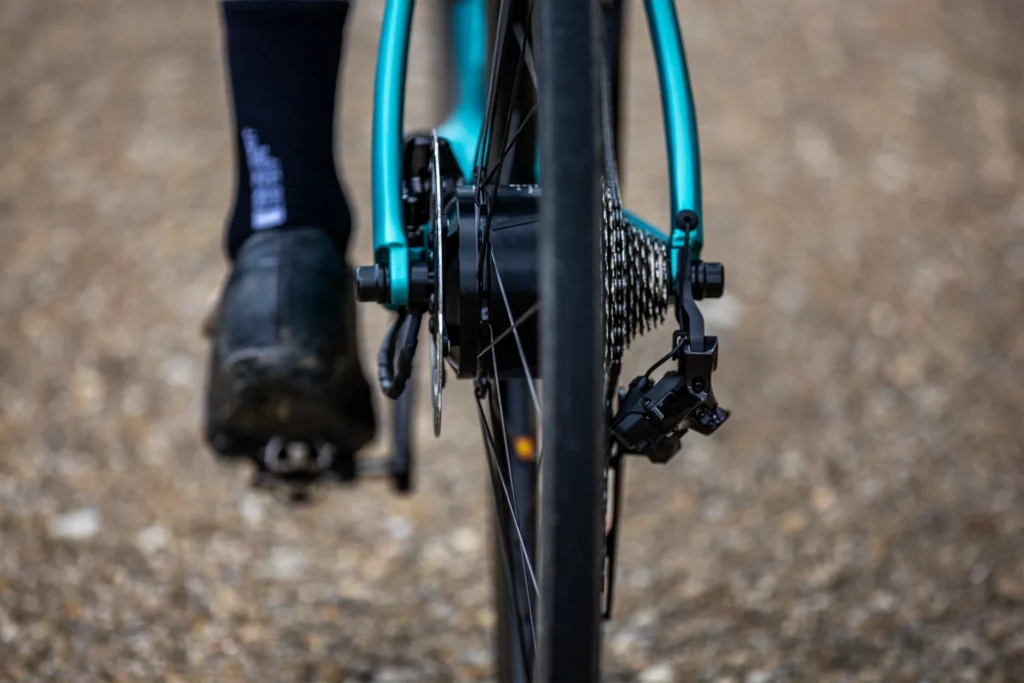
Motor position is another consideration. Mid-drive motors place assistance through the drivetrain and are common on mountain, trekking and high-load eBikes. Rear-hub motors can be compact, quiet and highly suitable for road, gravel and urban bikes where low weight and clean integration are priorities. The best option depends on use case, frame design and desired ride character.
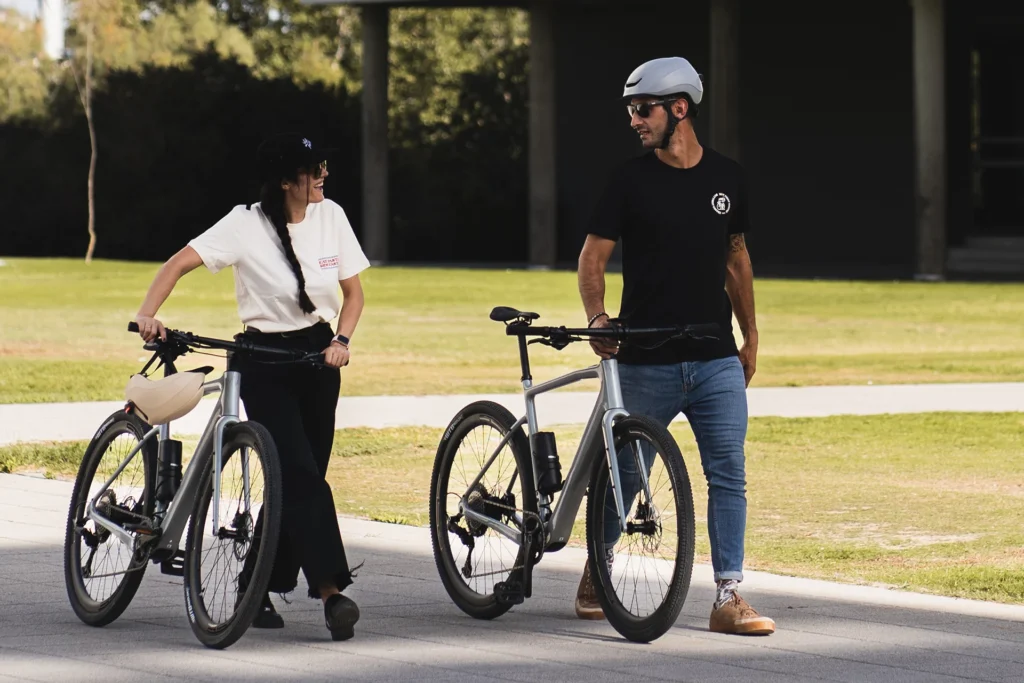
Weight has a major impact. Beginners often focus on assistance, but they also need to lift, store, transport and handle the bike. A lighter eBike can feel less intimidating and more familiar, especially for riders coming from conventional bicycles.
Maintenance should also be considered. eBikes need normal bicycle care: tyres, brakes, drivetrain, bolts and bearings. They also need system-specific checks, software updates and correct battery handling. Dealers play a key role in explaining charging habits, storage temperatures and service intervals.
Regulations matter too. In many European markets, standard pedal-assist eBikes are treated differently from faster speed pedelecs or throttle-controlled electric vehicles. Riders should always check local rules, especially for helmet requirements, public-road use, insurance and where the bike can be ridden.
Price is another factor. A cheaper eBike may look attractive, but poor integration, limited service support, low-quality batteries or unclear warranty coverage can create problems later. Beginners should evaluate the whole ownership experience, not only the purchase price.
| Factor | Why it matters | Beginner tip |
|---|---|---|
| Motor behaviour | Defines how natural the bike feels | Test ride on climbs and starts |
| Battery capacity | Influences potential range | Match capacity to real routes |
| Weight | Affects handling, storage and transport | Lift the bike before buying |
| Sensor quality | Improves response and control | Look for smooth, predictable assistance |
| Dealer support | Important for service and updates | Buy where technical help is available |
| Integration | Affects aesthetics, usability and reliability | Check cables, display and charging access |
| Local regulation | Defines where and how the eBike can be used | Check assisted speed, power limits and throttle rules |
Why Does Weight Matter When Choosing an eBike?
Lightweight eBike systems are important because they address one of the most common beginner concerns: “Will an eBike still feel like a bike?” The answer depends heavily on system design.
A lightweight system reduces the total mass of the bike, which affects acceleration, cornering, lifting, braking and overall confidence. It also helps when riding above the assistance limit. Since pedal assistance may cut off at 25 km/h in standard European eBikes, the bike’s natural behaviour beyond that speed becomes important. A lighter eBike can feel more efficient once motor support is no longer active.
Integration is equally important. When the battery, motor, head unit and controls are designed as part of the bike, the result can be cleaner and more intuitive. This benefits riders, but also brands: frame designers can create eBikes that look and ride closer to conventional bikes.
MAHLE SmartBike Systems focuses on compact, integrated systems for lightweight eBikes. The X20 System, for example, uses a rear-hub drive unit of around 1.39 kg and a total system weight of approximately 3 kg, depending on configuration. The X30 System is positioned as a versatile lightweight system, with a 1.9 kg rear-hub drive unit and compatibility with MAHLE’s X Series ecosystem.
For beginners, the relevance is practical. A lightweight eRoad bike can support climbing without losing the responsive feel riders expect from a road bike. A lightweight eGravel bike can help on longer mixed-surface routes without becoming difficult to handle. A lightweight eUrban bike can make daily transport easier because the bike remains manageable off the road as well as on it.
Efficiency is not only about the motor. It comes from the full system: weight, tyres, frame design, drivetrain, software and rider input. If the system delivers just the right level of assistance at the right time, it can use energy more intelligently and preserve battery for when it matters most.
Innovation in this category is not about making the bicycle disappear behind electronics. It is about making assistance feel natural, useful and proportionate.
What Is the Future of eBike Technology?
The future of eBikes will be shaped by lighter systems, smarter software, better integration and more specific use cases.
One clear trend is the continued development of lightweight performance eBikes. Riders increasingly want electric assistance without excessive weight or visual bulk. This is particularly relevant in eRoad and eGravel categories, where handling, efficiency and ride feel are essential.
Battery technology will continue to improve, but the most meaningful change may not simply be larger capacity. Better energy density, faster charging, smarter battery management and modular options will give riders more flexibility. A compact internal battery for normal rides and an External Battery for longer routes is already a practical example of this modular thinking.
Software will also become more important. Assistance algorithms can use sensor data to adapt to rider input, terrain and selected modes. Over time, this can make eBikes feel more personalised and less mechanical. However, the best systems will keep the experience simple for beginners while offering deeper options for advanced riders.
Connectivity will support maintenance and dealer service. Diagnostics, firmware updates and system health checks can reduce uncertainty and improve long-term ownership. For brands and dealers, this creates opportunities to build stronger aftersales relationships.
Another trend is category specialisation. Instead of one general eBike for everyone, the market is moving towards more precise solutions: lightweight road eBikes, adventure-ready gravel eBikes, compact urban eBikes, eKids models, cargo eBikes and fitness-oriented hybrids.
Regulation will remain important, especially as faster and more powerful electric mobility products enter the market. Clear distinctions between pedal-assist bicycles, speed pedelecs and other electric vehicles will help protect the trust and accessibility that have made eBikes so successful.
For beginners, the future should be positive: better choice, more refined systems and eBikes that are easier to understand from the first ride.
Frequently Asked Questions About eBikes
1. What is the best eBike for beginners?
The best eBike for beginners is the one that matches the rider’s main use case. For commuting, look for comfort, lights, mudguards, reliable brakes and easy charging. For road riding, prioritise low weight, natural assistance and efficient tyres. For gravel, consider stability, tyre clearance and battery flexibility. A test ride is essential because motor response, fit and handling matter more than specifications on paper. Beginners should also choose a bike supported by a reliable dealer network.
2. How far can an eBike go on one charge?
There is no single range figure that applies to every eBike. Real-world range depends on battery capacity, assistance level, terrain, rider weight, wind, tyres, temperature and riding style. A flat urban commute in low assistance uses much less energy than steep gravel climbing in high assistance. Beginners should compare range based on their typical routes. If longer rides are occasional rather than daily, a system compatible with an External Battery can be more practical than always carrying a larger internal battery.
3. Are lightweight eBikes powerful enough?
Yes, lightweight eBikes can be powerful enough when the system is designed for the intended riding style. Power is not only about maximum output. It is also about how assistance is delivered, how much the bike weighs and how efficiently the motor supports the rider. A lightweight eRoad or eGravel bike may need less absolute power than a heavy utility eBike because there is less mass to move. For many riders, natural response and low weight matter more than maximum assistance.
4. What is the difference between a hub motor and a mid-drive motor?
A hub motor is located in the wheel hub, often the rear wheel, while a mid-drive motor is placed around the bottom bracket and drives through the bicycle drivetrain. Mid-drive systems are common on eMTB, trekking and cargo eBikes because they work well with gears under high loads. Rear-hub systems can be compact, quiet and light, making them suitable for road, gravel and urban eBikes where integration and natural ride feel are priorities. Neither is universally better. The right choice depends on the bike’s purpose.
5. Do eBikes require special maintenance?
An eBike needs all the normal maintenance of a conventional bicycle, including tyre pressure, brake pads, chain care, drivetrain adjustment and bolt checks. It also needs attention to electrical components, battery care, software updates and system diagnostics. Riders should avoid pressure-washing electrical areas and should follow manufacturer guidance for charging and storage. Dealers are important because they can update software, diagnose faults and check system health. Good maintenance improves safety, efficiency and long-term reliability.
6. Can you ride an eBike without assistance?
Yes, most eBikes can be ridden with assistance switched off, although the experience depends on the bike’s weight and system design. A heavy eBike may feel harder to pedal without support, especially on climbs. A lightweight eBike usually feels closer to a conventional bicycle, which is useful when riding above the assistance limit or saving battery. This is one reason why weight matters so much. Beginners should test how the bike feels in low assistance and with assistance off before buying.
7. Is an eBike worth it for commuting?
An eBike can be very worthwhile for commuting if it makes the journey faster, easier or more consistent. It can reduce the impact of hills, headwinds and fatigue, making daily riding more realistic. Compared with a car, it may also reduce parking problems and transport costs. The best commuting eBike depends on distance, storage, road conditions and luggage needs. Riders should consider lights, mudguards, racks, tyres, comfort and dealer support, not only motor power or battery size.